
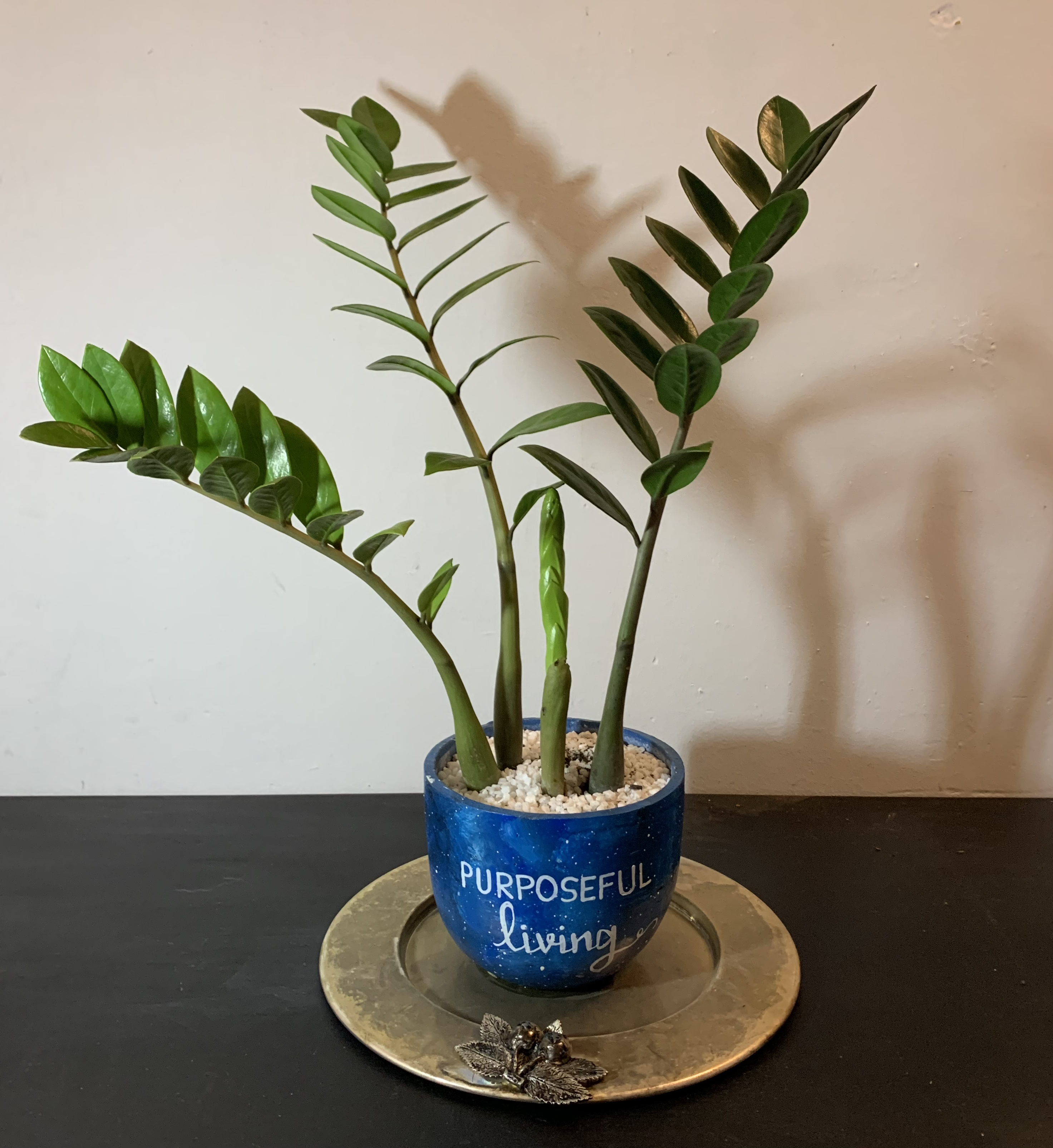
Purposeful leadership extends beyond the self. Once the leader becomes purposeful, the natural next step is to help others, team members, and teams become purposeful. This is not a directive process but a deeply human one, rooted in example, empathy, and engagement. In this article, we explore the second branch of purposeful leadership: leading people purposefully.
Purposefulness in people is transformative. It improves their personal lives, relationships, health, and peace of mind, and this inevitably enhances their effectiveness and contribution at work. The workplace becomes more than a place of transaction; it becomes a space of meaning. Families benefit too, as individuals carry their sense of purpose home, influencing their roles as parents, partners, and community members.
I have experienced this transformation personally. At the age of 27, I had climbed the corporate ladder rapidly to become a director of two subsidiaries of John Keells Holdings, Sri Lanka’s leading conglomerate. At the time, I was driven by ambition and the goal of professional success. I worked long hours, including weekends, and neglected many aspects of my life. I was overweight, frequently ill and hospitalised, disconnected from my young family, absent from church, and unaware of the importance of developing and empowering my team. I had no sense of purpose, only a relentless pursuit of achievement.
Read more: Leading People Purposefully (Purposeful Leadership – Part 6)Everything changed when I discovered the notion of purposefulness and wrote the draft of my first purpose statement. I began going to the gym, spending quality time with my family, returning to church, reading, cutting excessive costs, investing the savings, and cultivating emotional maturity through meditation. This personal transformation awakened a desire to help my team grow. I began teaching them about purposefulness and supporting their development. As a result, my quality of life and work improved significantly. It was no longer a choice between work and life; it became a commitment to both work and life, harmoniously.
My doctoral research reinforces this understanding. As I wrote in my thesis:
“My research suggests that being purposeful helps understand life from a more holistic and altruistic manner, leads one to conduct life with decent human values, helps make choices beneficial to the flourishing of life, improves caring for the well-being of family and self, and choosing vocations which are aligned with an evolving life-purpose. Adjusting one’s lifestyle in this manner takes courage, determination, and self-discipline. However, persisting with such an aspiration leads to an improvement in the quality of life, generating happiness which, in turn, encourages persisting in being purposeful.” (De Silva, 2024)
I invite you to reflect on how you are leading people. Are you helping them become purposeful? Are you creating conditions for their flourishing? If not, what needs to change?
You may explore literature from my blog http://www.ranjandesilva.blog, my website http://www.ranjandesilva.com, and other sources. Speak with your trusted advisor. We will further explore the notion of purposeful leadership and methods of transformation in the upcoming blog posts.
In the next article of this series, we will explore how to develop purposeful people leadership, how leaders can intentionally cultivate purposefulness in others through structured development, coaching, and empowerment.
References
De Silva, R. L. G. (2024). Living Purposefully: An Inquiry into the Life of a Leadership Development Practitioner. (Doctoral dissertation, Hult Ashridge).







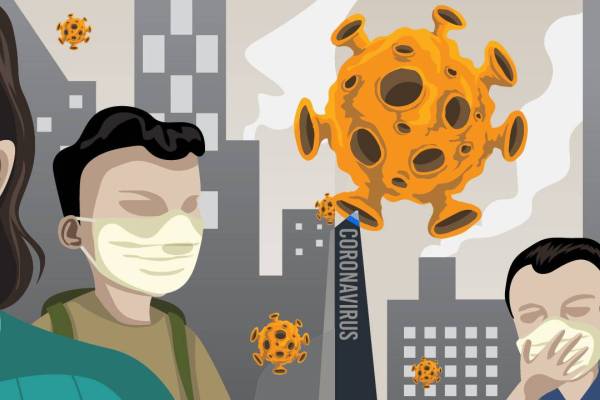





 After having arrived in Dhaka with a packed schedule of coaching, facilitation and consulting assignments for multiple clients on the 14th of March, I suddenly found myself having to make some decisions on how best to respond to the universe who decided that we need to change the way we operate.



























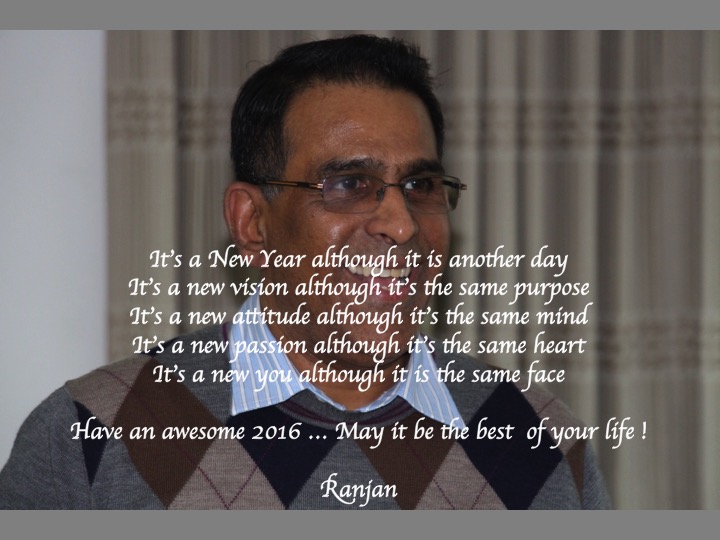 We all look forward to the New Year and celebrate it in different ways. There are those who clean up and pain their houses to give a new beginning. There are those who wear new cloths as the New Year dawns. There are those who go to a place of worship and take part in religious celebrations to usher in the New Year. There are those who eat, drink and dance at hotels, home or parks to usher in the New Year. There are those who stay at home and do traditional rituals such as boiling a pot of milk for good luck. There are those who do not do any of these or sometimes don’t even know it’s a dawn of a New Year. Whichever group you belong to, it is interesting to reflect on the deeper change that happens in you during the transition in to the New Year.

 New years every year brings so much hope to so many people. This is the time we think of giving up bad habits and making a fresh start. Most people take a fresh step with a good intention, only to find themselves slipping back to their old habits very quickly.