Purposeful leadership is often understood as a progression: purposeful self-leadership, followed by purposeful people leadership, and eventually purposeful organisational leadership. While this sequence is a helpful entry point, it does not reflect how leadership is actually lived. In practice, purposeful leadership is not linear. It is cyclical, relational, and complex. Each form of purposeful leadership both shapes and is shaped by the others, forming a living system rather than a developmental ladder.
Purposeful self-leadership is the inner anchor of this system. It is the ongoing practice of aligning values, beliefs, intentions, and actions with a deeper sense of purpose. This inner work is not private or abstract. It shows up most clearly when leaders are under pressure, navigating ethical tension or difficult trade-offs. When leaders lack inner coherence, purpose becomes performative. When they are grounded in purposefulness, they are better able to act with integrity, resist expedient compromises, and hold responsibility with maturity.
Purposeful people leadership is where inner purpose meets relational reality. Purpose is tested not in declarations, but in conversations, decisions, and everyday interactions. The way leaders listen, build trust, address conflict, and hold accountability reveals whether purposeful self-leadership is truly embodied. Purposeful people leadership translates inner alignment into lived experience, shaping how people feel, engage, and commit to the organisation.
In the previous article, we explored what purposeful organisational leadership means and why it matters. In this post, we focus on how leaders can intentionally develop purposeful organisational leadership, turning purpose from a statement into a lived reality across the organisation.
Start with Leadership Commitment
“I hold the view that leaders are better able to contribute to the flourishing of life if their actions are guided by a deeper sense of purpose” (De Silva, 2024, p.6). Therefore, purposeful organisational leadership needs to begin at the top. Senior leaders must embrace the organisation’s purpose as a guiding principle for decisions and behaviours. This commitment is not symbolic; it requires courage to prioritise purpose even when short-term pressures tempt compromise.
Make the Organisational Purpose Your Guiding Light
The starting point for developing purposeful organisational leadership is a clear purpose statement. This is not a marketing slogan; it is the organisation’s reason for being and its unique contribution to the flourishing of life. From this foundation, leaders can craft a mission statement that defines how the purpose will be delivered and set Big Hairy Audacious Goals (BHAGs) to drive long-term success.
In the previous article, we explored how leaders can intentionally develop purposeful people leadership, an approach that transforms teams and organisations by aligning individual purpose with collective contribution.
While this aspiration is noble and deeply impactful, it is not without its complexities. In this post, we examine the challenges, paradoxes, and tensions that arise when we choose to lead people purposefully.
Cognitive Aspects
One of the first complexities arises from how people cognitively make sense of the notion of purposefulness. The concept of “purpose” is often misunderstood or conflated with goals. While goals are specific outcomes we strive to achieve, purpose is the deeper reason behind those goals, the “why” that gives them meaning. This distinction is not always clear, and many team members may struggle to grasp its relevance. Some may view purposefulness as abstract or philosophical, disconnected from the practical realities of work.
Moreover, individuals interpret purpose through the lens of their own experiences, beliefs, and values. What feels purposeful to one person may seem irrelevant or even threatening to another. Leaders must navigate these differences with sensitivity, helping people explore and articulate their own understanding of purpose without imposing a singular definition. This requires patience, dialogue, and a willingness to embrace ambiguity.
Purposeful leadership extends beyond the self. Once the leader becomes purposeful, the natural next step is to help others, team members, and teams become purposeful. This is not a directive process but a deeply human one, rooted in example, empathy, and engagement. In this article, we explore the second branch of purposeful leadership: leading people purposefully.
Purposefulness in people is transformative. It improves their personal lives, relationships, health, and peace of mind, and this inevitably enhances their effectiveness and contribution at work. The workplace becomes more than a place of transaction; it becomes a space of meaning. Families benefit too, as individuals carry their sense of purpose home, influencing their roles as parents, partners, and community members.
I have experienced this transformation personally. At the age of 27, I had climbed the corporate ladder rapidly to become a director of two subsidiaries of John Keells Holdings, Sri Lanka’s leading conglomerate. At the time, I was driven by ambition and the goal of professional success. I worked long hours, including weekends, and neglected many aspects of my life. I was overweight, frequently ill and hospitalised, disconnected from my young family, absent from church, and unaware of the importance of developing and empowering my team. I had no sense of purpose, only a relentless pursuit of achievement.
Everything changed when I discovered the notion of purposefulness and wrote the draft of my first purpose statement. I began going to the gym, spending quality time with my family, returning to church, reading, cutting excessive costs, investing the savings, and cultivating emotional maturity through meditation. This personal transformation awakened a desire to help my team grow. I began teaching them about purposefulness and supporting their development. As a result, my quality of life and work improved significantly. It was no longer a choice between work and life; it became a commitment to both work and life, harmoniously.
My doctoral research reinforces this understanding. As I wrote in my thesis:
“My research suggests that being purposeful helps understand life from a more holistic and altruistic manner, leads one to conduct life with decent human values, helps make choices beneficial to the flourishing of life, improves caring for the well-being of family and self, and choosing vocations which are aligned with an evolving life-purpose. Adjusting one’s lifestyle in this manner takes courage, determination, and self-discipline. However, persisting with such an aspiration leads to an improvement in the quality of life, generating happiness which, in turn, encourages persisting in being purposeful.” (De Silva, 2024)
I invite you to reflect on how you are leading people. Are you helping them become purposeful? Are you creating conditions for their flourishing? If not, what needs to change?
You may explore literature from my blog http://www.ranjandesilva.blog, my website http://www.ranjandesilva.com, and other sources. Speak with your trusted advisor. We will further explore the notion of purposeful leadership and methods of transformation in the upcoming blog posts.
In the next article of this series, we will explore how to develop purposeful people leadership, how leaders can intentionally cultivate purposefulness in others through structured development, coaching, and empowerment.
References
De Silva, R. L. G. (2024). Living Purposefully: An Inquiry into the Life of a Leadership Development Practitioner. (Doctoral dissertation, Hult Ashridge).
Six questions you need to ask yourself to be the person you are destined to be – A presentation by Marshall Goldsmith.
Engage in this sincere presentation by Marshall Goldsmith and reflect on the six powerful questions he is prescribing. You may at-least start thinking in a manner that leads you to discover who you are meant to be. Enjoy the journey.
The following process can be used to create a learning experience for your team using this video.
As you watch this video, reflect on your attitude towards failure, rejection and setbacks etc. What steps would you take to reinforce your attitude or change your attitude to enjoy success?
Leadership – A poem by Spatula – Read by Mathew Coger
As you listen to this poem, reflect on your current attitude about leadership. Does this move you into thinking of doing what you are doing as a leader or to change your leadership approach? What baby steps would you take to reinforce your good leadership behaviours and/or transform.
Developing Purposefulness in Team Members – My presentation at the Asian & African Retail Congress in Mumbai India,
A presentation made to leaders in the retail industry at the Asia & Africa Retail Shopping Center Congress. Practical application of leadership and personal develop ent methods delivered with powerful concepts and personal experiences.
As you watch this video, reflect on steps you are taking and further steps you can take to develop purposeful team members in Your organisation.
The following process can be used to create a learning experience for your team using this video.
Step 1 – A moderator (an expert from your company) to open the session, explaining the importance of the session.
Step 2 – Show the video – let participants absorb, take notes and write down questions to ask later
Step 3 – Have a Q&A session and a discussion
Step 4 – Agree on actions to be taken based on the video
Step 5 – Participants to say how the session was useful.
As you watch this video, reflect on your motivation (motive to take action). How does emotion (energy in motion) creates that motivation from within that helps us make a difference?
As you listen to this poem, reflect on the wonders of nature and let it heal your pensive mood or broken heart.
I Wandered Lonely as a Cloud I wandered lonely as a cloud That floats on high o’er vales and hills, When all at once I saw a crowd, A host, of golden daffodils; Beside the lake, beneath the trees, Fluttering and dancing in the breeze.
Ron Kaufman discusses his New York Times bestselling book Uplifting Service,
A proven path to delighting your customers, colleagues, and everyone else you meet. The book exposes a massive wound in a subject area that has become buried in weak distinctions, inadequate practices, and popular but shallow clichés. Ron explains the 5 key elements to build a self-sustaining service culture that can uplift an individuals, transform an organization, and ultimately change the world.
As you watch this video, reflect on steps you can take to engage the fickle minds of your children, team members and yourself.
The following process can be used to create a learning experience for your team using this video.
Step 1 – A moderator (an expert from your company) to open the session, explaining the importance of the session.
Step 2 – Show the video – let participants absorb, take notes and write down questions to ask later
Step 3 – Have a Q&A session and a discussion
Step 4 – Agree on actions to be taken based on the video
Step 5 – Participants to say how the session was useful.
What can a coin reveal about your service mindset? Listen to Ron Kaufman and discover.
As you watch this video by customer service guru Ron Kaufman, reflect on the ‘coin’ that is preventing you from reaching specialness. What will it take to pick up YOUR coin and get rid of it today?
Robin Sharma – on the dangers of your devise and other non-value adding addictions on your success and how to gain monomaniacal focus, using practical and neurological information.
As you listen to this powerful speech by Robin Sharma, reflect on steps you can take to kill the distractions of your life, build purposeful habits and give life and energy to your special talent … to achieve mastery purposefully.
I Have a Dream” is a public speech that was delivered by American civil rights activist Martin Luther King Jr. during the March on Washington for Jobs and Freedom on August 28, 1963, in which he called for civil and economic rights and an end to racism in the United States. Delivered to over 250,000 civil rights supporters from the steps of the Lincoln Memorial in Washington, D.C., the speech was a defining moment of the civil rights movement and among the most iconic speeches in American history.
(please note – Under the applicable copyright laws, the speech will remain under copyright in the United States until 70 years after King’s death, through 2038.)
As you listen to one of the greatest speeches ever delivered reflect on your dream for a better world and a baby step you can take to start the journey of making that dream come true.
This Video is created to learn the secrets of understanding Self and others. Eric Berne is the founder of the Transactional Analysis. In this video you will learn about Ego States and Transactions that will help you improve communications and relationships.
The following process can be used to create a learning experience for your team using this video.
Step 1 – A moderator (an expert from your company) to open the session, explaining the importance of the session.
Step 2 – Show the video – let participants absorb, take notes and write down questions to ask later
Step 3 – Have a Q&A session and a discussion
Step 4 – Agree on actions to be taken based on the video
Step 5 – Participants to say how the session was useful.
Anne Hathaway Keynote Address International Women’s Day 2017
As you listen to this speech, reflect on how it speaks to your heart and mind. Is it about the rags to riches story? Is it about love? Is it about parenting? Is it about gender equality? Is it about speaking out on behalf of your concerns? Is it it about your sense of direction? Is it something else? Reflect on what matters to you and the baby steps you would take to make a difference.
As you listen to this powerful poem, let the words touch you deep inside so that you can wake up and turn your dreams in to reality. Reflect on the good thoughts you dream of, that goes to sleep when you wake up. Think of a baby step to take for you to live those dreams.
This short video introduces Emotional Intelligence using interesting animations. This will show the importance of emotional intelligence and how to improve emotional intelligence.
The following process can be used to create a learning experience for your team using this video.
Step 1 – A moderator (an expert from your company) to open the session, explaining the importance of the session.
Step 2 – Show the video – let participants absorb, take notes and write down questions to ask later
Step 3 – Have a Q&A session and a discussion
Step 4 – Agree on actions to be taken based on the video
Step 5 – Participants to say how the session was useful.
When lockdowns happened in mid-march I got standard in Dhaka without flights to return home. Therefore my experience is quite different to those who were with families and had to spend a lot of time with them while working or not working from home. However since returning home about 2 months ago I have been largely working from home that gives me the experience to reflect on that reality as well.
Being away from home with the uncertainty of when I will return home increased the concern towards me by mother, wife and daughters at home as well as my siblings and other relatives from various part of the world. The 10 weeks in Dhaka resulted in more communications with all my close family and other relatives more than ever before. Conversations among relatives resulted in each one inquiring from others about how they are affected by the pandemic, the impact on livelihood etc. Therefore there was concerned among each other for each other, much more than usual. Continue reading “Pandemic and Relationships”→
A collection of Ranjan De Silva’s favourite poems recited by him with short introductions and debrief of each poem at an online Rotary meeting between Rotary Club of Colombo Reconnections Sri Lanka and Rotary Club of Nanganallaur, India.
As you listen to these poems reflect on what inspire you. Is it the selection, a particular poem, the themes, the words, the way they are recited, relevance to you, your mindset or anything else?
HPI is the sum total of the actions, interactions, behaviors and collaboration of leaders, teams and individuals at all levels of a business that have direct or indirect impact on business performance. HPI is the answer to measuring the quality of organisational cultures that is vital for performance improvement. It also works as a tool to help make strategic decisions that enable creating a winning work culture.
A presentation by Ranjan De Silva at the Bangalore HR Summit 2011, titled HPI at work at Agora, the leading supermarket chain in Bangladesh.
The following process can be used to create a learning experience for your team using this video.
Step 1 – A moderator (an expert from your company) to open the session, explaining the importance of the session.
Step 2 – Show the video – let participants absorb, take notes and write down questions to ask later
Step 3 – Have a Q&A session and a discussion
Step 4 – Agree on actions to be taken based on the video
Step 5 – Participants to say how the session was useful.
In the name of psychology and neuroscience, Daniel Goleman shares his insights on why IQ is not an accurate predictor of how well one does in life. A new metric is called for, one he calls, ‘Emotional Intelligence’. Everyone has the capacity to develop their emotional skills and improve their EQ. This video shows you some examples of ways to cultivate your emotional intelligence so you can put them to work at home, in the workplace, and in your relationships.
Attention! The word ‘depression’ in this video simply refers to feelings of sadness and not ‘clinical depression’.
This is one of my favourite pictures that depicts the essence of learning. This is an executive coaching process underway for senior executives of the John Keells Holdings at the Cinnamon Citadel Hotel in Kandy, the Hill Capital of Sri Lanka. A peer coaching process where peers who participate in the coaching process, becomes a part of the coaching team together with the coach.
The beanbags and the dress code signify the informality of the process, the blend of colours signifies the diversity of the aspirations, hopes, concerns, issues, methods and solutions of the participants. The disorderly nature of the white chairs in the background with bags thrown around signifies the messiness that needs to be experienced in the learning and growth process. The flip charts signifies the formality of the work to be done. The sweets, water, snacks and tea provided shows the care taken to ensure the comfort of the participants. The intense listening and focus of the participants shows the seriousness, rigorous and the respect show to each other and the process.
Overall a beautiful blend of the soft and the hard, the messiness and the orderliness, the informality and formality, the soft and the hard touching hearts and minds for real, purposeful transformation.
Learn how to deliver an inspiring speech from one of the best in the trade; Barack Obama.
By the time Barack Obama had finished speaking at the 2004 DNC, Democrats across the USA knew they had seen the future of their party. How does he do it?
Learn the elements of his speech from political speech experts featured in this episode including: Michael A. Cohen Author, Live From The Campaign Trail, Mario Cuomo Former Governor of New York, Robert Lehrman Chief Speechwriter for Vice President Gore and Professor of Speechwriting American University, Charlton McIlwain Professor of Communication, New York University, Jeff Shesol Speechwriter for President Clinton and Founding Partner, West Wing Writers.
The following process can be used to create a learning experience for your team using this video.
The Cookie Thief – A Poetic Story – Recited by Ranjan De Silva
I have experienced many ‘Cookie Thief Moment’ in my life. What about you? What was yours? What did you learn about your Beliefs, Attitudes and Values from that moments? Is there any over-due actions that must be taken now to respond to that moment. What ‘baby steps’ would you take to respond to the old ‘Cookie Thief Moment’ and prevent new ‘Cookie Thief Moments’ from happening?
An introduction to Neuro Linguistic Programming (NLP) and simple steps on how to unlock the power of mind and unleash our potential. A powerful and thought provoking 27 minute presentation by Ranjan De Silva at the ‘Unleashing Your DNA’ seminar at Zayed University Convention Center, Dubai, UAE.
The following process can be used to create a learning experience for your team using this video.
Step 1 – A moderator (an expert from your company) to open the session, explaining the importance of the session.
Step 2 – Show the video – let participants absorb, take notes and write down questions to ask later
Step 3 – Have a Q&A session and a discussion
Step 4 – Agree on actions to be taken based on the video
Step 5 – Participants to say how the session was useful.
Please send a message if you would like to receive a white paper that can help in your learning process.
I hope this learning process was useful in providing online learning to your team during the current down time so that they would be kept positive, motivated and sharp so that all of you would be geared to perform with excellence during the crisis and after.
Over the past two months I switched to a daily blog from the monthly blog I used to write. This was prompted by the pandemic and lockdowns that provided me the opportunity to spend more time indoors and online.
I initially started with online learning videos and soul nourishing poems to share my life work for those needed to learn and those looking for inspiration while being at home.
Thereafter I introduced quotes for reflection and yesterday I added motivational speeches. Some of this work is from others who have inspired me, some from my colleagues and some my own presentations.
As I was reflecting on the purposefulness of my life yesterday, my mind went on to the online work I am doing. Something from within prompted me to expand my contribution to have one type of blog everyday of the week.
That prompted me to think of other types of work that inspired. Music and Art were two other areas that came to my mind and therefore I decided to experiment with ‘Songs for Growth’ and ‘Pictures the Speak’.
I needed one more. What is the seventh category? And then, ‘Purpose’ which is the core philosophy of my life, that I have been writing for the past 4 years, but have not focused too much on over the past 2 months popped in to my mind. Yes I miss writing those ‘purposeful living’ blogs. So the seventh category became ‘Purpose’ Quest’.
I invite you to join me in exploring the wonders of life through these seven categories. I welcome comments, feedback , life experiences, ideas and questions from you so that we can create ripples that makes this world a better place.
Watch Michelle Obama’s speech about her husbands Presidency and reflect on the pressure situations you had been in and how it help reveal your true nature and core values.
People, Technology or Innovation – A candid discussion between Kamal Munasinghe and Coach Kamrul Hasan.
Learn about what is required for business success; people, technology or business? Kamal, a CEO of a leading Apparel Manufacturer in Bangladesh talks about business using his own industry experience, responding to thought provoking question from Coach Kamrul Hasan. Gain a practical perspective from people who have been there, done that.
The following process can help you get good value from this video:
Step 1 – A moderator (an expert from your company) to open the session, explaining the importance of the session.
Step 2 – Show the video – let participants absorb, take notes and write down questions to ask later
Step 3 – Have a Q&A session and a discussion
Step 4 – Agree on actions to be taken based on the video
Step 5 – Participants to say how the session was useful.
Please send a message if you would like to receive a white paper that can help in your learning process.
I hope this learning process was useful in providing online learning to your team during the current down time so that they would be kept positive, motivated and sharp so that all of you would be geared to perform with excellence during the crisis and after.
Reflect what Love is to you. Is it River that drowns, a razor that leaves the soul to bleed or an endless hunger? Or is it nurturing – like a seed in to a flower.
Enjoy Bette Midler’s song recited in a poetic manner, defining ‘Love’ by Ranjan De Silva
Learn how to be a better leader by using mindfulness practices. This is a skill which is even more important during times of anxiety when your mind is full. Learn how to empty your mind of the anxiety, worry, clutter etc. so that you can fully focus on your teams and inspire them to perform at their optimum.
I hope this could be useful in providing online learning to your team during the current down time so that they would be kept positive, motivated and sharp so that all of you would be geared to perform with excellence during the crisis and after.
The following process can help you get good value from this video:
Reflect on the divisions in your life such as interests, beliefs, geographic boarders, status, economics etc. that has become irrelevant in your life due to the Pandemic. Reflect on how such blurring of the boarders are affecting you positively and negatively, in the short term and the long term. Reflect on baby steps you can take to power-up the positives and negate the negative.
The Most Beautiful Poem of All Time by Nefthali Hoyos Barrena
Discover the secret to happiness in this soul nourishing poem
I hope this could be useful in nourishing your soul with hope, aspiration, positivity and confidence to deal with the present and gear up for the future.
Please feel free to share this poem with others who can benefit and communicate with me if you would like to share your thoughts.
Poem that reminds us never to give up and never to give in as there is an answer for everything. Live your life with an attitude of gratitude.
I hope this could be useful in nourishing your soul with hope, aspiration, positivity and confidence to deal with the present and gear up for the future.
Please feel free to share this poem with others who can benefit and communicate with me if you would like to share your thoughts.
For Leaders at all levels and Sales & customer service Professionals
Interaction Personalities (10 mts) by Ranjan De Silva
Helps understand your quality of interactions by understanding the five interaction personalities of yourself and others. This in turn helps improve the way they interact with others, especially when dealing with conflicts. Includes free self assessment to find out your interaction personality.
I hope this could be useful in providing online learning to your team during the current down time so that they would be kept positive, motivated and sharp so that all of you would be geared to perform with excellence during the crisis and after.
The following process can help you get good value from this video:
A Poem dedicated for winners. This poem describes behaviours of real winners and appreciates them. This poem is an ideal gift for those in your life you consider real winners.
I hope this could be useful in nourishing your soul with hope, aspiration, positivity and confidence to deal with the present and gear up for the future.
Please feel free to share this poem with others who can benefit and communicate with me if you would like to share your thoughts.
JUMP method is a simple but powerful 7-step process. It’s a world-class method to bring your inside out for your self-empowerment.In this video, you will learn about the 7-step process and guidelines to perform it.
I hope this could be useful in providing online learning to your team during the current down time so that they would be kept positive, motivated and sharp so that all of you would be geared to perform with excellence during the crisis and after.
The following process can help you get good value from this video:
Today’s learning video – for those selling anything or service anyone … thats everyone
A Better Way to Sell (10 mts) by Ranjan De Silva
Helpsyou generate spectacular results by learning a better way to sell through Neuro Linguistic Programming (NLP). We All sell ideas, our talents, our brand image, our professional practice & products etc. Find out a better way to sell to generate better results.
I hope this could be useful in providing online learning to your team during the current down time so that they would be kept positive, motivated and sharp so that all of you would be geared to perform with excellence during the crisis and after.
The following process can help you get good value from this video:
The determination of an Extra-Ordinary man: recited by Ranjan De Silva
A poem for all the men and the men in the lives of women who sees this poem. Reminds us of what it takes to be a real hero. Please share this as a thank you gift with the special men in your life such as your grandfather, father, husband, brother, son, friend, teacher and guide.
I hope this could be useful in nourishing your soul with hope, aspiration, positivity and confidence to deal with the present and gear up for the future.
Please feel free to share this poem with others who can benefit and communicate with me if you would like to share your thoughts.
Today’s learning video – for people at all levels in organisation
EQ-IQ Balance by Ranjan De Silva (6 mts)
Helps understand the importance of having the right balance between our Intelligence Quotient (IQ) and Emotional Quotient (EQ). It helps understand the reason why we think, make sense, decide and act the way we do. It also helps in understanding others better and how they think, make sense, decide and act, thereby improving relationships.
Includes free self assessment to find out your EQ-IQ balance.
I hope this could be useful in providing online learning to your team during the current down time so that they would be kept positive, motivated and sharp so that all of you would be geared to perform with excellence during the crisis and after.
The following process can help you get good value from this video:
If by Rudyard Kipling – narrated by Tom O’ Bedlam.
A poem that shows how the word ‘IF’ opens up possibilities in our mind.
I hope this could be useful in nourishing your soul with hope, aspiration, positivity and confidence to deal with the present and gear up for the future.
Please feel free to share this poem with others who can benefit and communicate with me if you would like to share your thoughts.
The plea of a graceful women: Recited by Ranjan De Silva.
A poem for our mothers, wives, sisters, daughters and friends. A nice thank you gift to be sent to the ladies in your life to give them courage and confidence to continue the great work they are doing.
I hope this could be useful in nourishing your soul with hope, aspiration, positivity and confidence to deal with the present and gear up for the future.
Please feel free to share this poem with others who can benefit and communicate with me if you would like to share your thoughts.
Today’s learning video – for Leaders at all levels:
Natural Abilities (10 mts) by Ranjan De Silva
Helps understand the four natural abilities and how getting your team members in to their natural ability areas helps you to achieve near optimum performance. Includes free self assessment to find out natural abilities.
I hope this could be useful in providing online learning to your team members, family, friends and self during the current down time so that they would be kept positive, motivated and sharp so that all of you would be geared to perform with excellence during the crisis and after.
You can watch this alone or learn with others in-room or Online.
The following process can help you get good value from this video:
Step 1 – A moderator (an expert from your company) to open the session, explaining the importance of the session.
Step 2 – Show the video,
Step 3 – Have a Q&A session and a discussion
Step 4 – Agree on actions to be taken based on the video
Step 5 – Participants to say how the session was useful.
In addition, we can also arrange online sessions or executive coaching for your current and future business needs. Please inbox if you would like to discuss options.
Today’s Soul Nourishing Poem is: The Hero’s cry by – Eddie Pinero
Dedicated to all heroes in our lives. We remember their names not because of a lack of mistakes but because they looked the universe dead in the eye and dared to give what it takes”
I hope this could be useful in nourishing your soul with hope, aspiration, positivity and confidence to deal with the present and gear up for the future.
Please feel free to share this poem with others who can benefit and communicate with me if you would like to share your thoughts.
Today’s Soul Nourishing Poem is: If You Think You Can You Can – recited by Ranjan De Silva
I hope this could be useful in nourishing your soul with hope, aspiration, positivity and confidence to deal with the present and gear up for the future.
Please feel free to share this poem with others who can benefit and communicate with me if you would like to share your thoughts.
Today’s learning video is for Customer Service and Sales Professionals at all levels.
Mindfulness Based Customer Service by Tanzi Usoof
Learn how to provide better customer service by using mindfulness practices. This is a skill which is even more important during times of anxiety when your mind is full. Learn how to empty your mind of the anxiety, worry, clutter etc. so that you can fully focus on the customer with the intention of being of service to the customers.
I hope this could be useful in providing online learning to your team members, family, friends and self during the current down time so that they would be kept positive, motivated and sharp so that all of you would be geared to perform with excellence during the crisis and after.
Today’s Soul Nourishing Poem is: Little Cloud – recited by Eric Carle
I am pleased to provide you a series of videos containing soul nourishing poems. There will be one every other day for the next few weeks.
I hope this could be useful in nourishing your soul with hope, aspiration, positivity and confidence to deal with the present and gear up for the future.
Please feel free to share this poem with others who can benefit and communicate with me if you would like to share your thoughts.
Today’s learning video is for employees at all levels.
Fight Covid-19 – 7 Simple Steps (7.35 mts.)
A 7 minute video with 7 tips on how to deal with the present and gear for the future.
I hope this could be useful in providing online learning to your team members, family, friends and self during the current down time so that they would be kept positive, motivated and sharp so that all of you would be geared to perform with excellence during the crisis and after.
Today’s Soul Nourishing Poem is: Forgive Me When I Whine
I am pleased to provide you a series of videos containing soul nourishing poems. There will be one every other day for the next few weeks.
I hope this could be useful in nourishing your soul with hope, aspiration, positivity and confidence to deal with the present and gear up for the future.
Please feel free to share this poem with others who can benefit and communicate with me if you would like to share your thoughts.
Today’s learning video is for those in Senior Leadership Positions;
Leadership Complexities (10 mts) – Helps understand deep-seated leadership competencies and tips to deal with it. Includes free self assessment to find out own leadership complexity.
I hope this could be useful in providing online learning to your team members, family, friends and self during the current down time so that they would be kept positive, motivated and sharp so that all of you would be geared to perform with excellence during the crisis and after.
Wish you all a happy new year, Subho nababarsho [Bengali], Sawatdii pimaï [Thai], Hnit thit ku mingalar pa [Burmese], Naya Barsa Ko Hardik Shuvakamana [Nepali], Nav varsh ki subhkamna [Hindi], Iniya puthandu nal Vazhthukkal [Tamil], Suba nava vasarak wewa [Sinhalese]
This is an amazing time every year for many countries in South Asia and Southeast Asia when most of us celebrate the traditional New Year. The New Year is celebrated between 13 to the 15 of April in India, Nepal, Myanmar [Burma], Laos, Thailand, Cambodia, Bangladesh and Sri Lanka.
However, this New Year is perhaps the most significant in our life time as we celebrate it during the pandemic which most of us are experiencing for the first time. Let’s explore the significance of the New Year this year from that context.
I have learnt that we keep discovering our higher purpose as we live life once we discover the notion of purpose and is conscious of its existence. This had got me in to the habit of reflecting, reviewing, refreshing and re-writing my purpose every month.
The first part of my current purpose statement is;
Inspire others to live a purposeful life based on their own evolving beliefs, values and methods.
This is based on my discovery of how my beliefs, values and methods evolved during my first-person inquiry and my discovery of how different people have different beliefs, values and methods that evolve as they attempt to live purposefully, during my second-person inquiry. First- and second-person inquiry are methods of action research that I adopt in my doctoral research into the notion of ‘purposeful living’. Continue reading “Take a JUMP in to your purpose – Purpose of Living – Part 36”→
As I cherish the wonderful experiences on the day of love, peace, giving and forgiving, a profound message at the Christmas Mass last mid-night re-enters my mind. This message not only gave me a new perspective to the attitude and behaviour of the Inn keeper, it made me realise that peoples thinking and action can have a higher purpose that we may not understand, and therefore makes us misunderstand them.
We’ve grown up hearing the account that the “inn” in Bethlehem was full, with no “room” available, so Joseph and Mary ended up in a stable, with Jesus Christ born and laid in a manger there. This image has been used to promote the typical Christmas nativity scene for generations.
Click on the above link for the presentation related to the keynote speech to be given by me at NAFLIA 2019. Conference participants are invited to download the presentation and use it to follow the keynote speech.
This blog is written in service of life-Insurance Advisors in Sri Lanka, specifically the members attending NAFLIA 2019, the National Forum for Life Insurance Advisors scheduled for the 2ndof September. My attempt is to articulate the key messages of the keynote speech that will be delivered by me.
As I was reflecting on the topic for the annual conference, ‘Assuring Tomorrow Dream Today’. The questions that come up are, what is the action we need to take today to assure our dream of tomorrow? How do we know the action we choose to take today will assure our dream tomorrow? I realised this is a very complex question and that there is no standard answer to this as the action to be taken depends of the world each person lives in. What I mean by the ‘world’ is the immediate world of each person starting with him/herself, family, friends, organisations they belong to, organisations and people they interact with etc. The answer is personal.
I was at a cocktail party listening to an interesting conversation between two other guests who were in the same huddle as me.
Person A: What do you do?
Person B: I sell financial services.
Person A: What do you really want to do?
Person B: I want to be banker.
I asked A why he asked that question, and B why he responded that way. A said, “isn’t selling a profession that is not respected?” B said “yes”, it is so difficult to sell because customers look at him with suspicion. In my three decades of being in business and playing the roles of seller, buyer, leader, trainer, consultant and coach of sales professionals, I have encountered this attitude towards sales on many occasions.
However, my personal attitude towards sales is the opposite. As I reflect on the questions – how is it that people have developed this attitude towards sales, and what would be the best way to help people to look differently at sales? – the notion of purposefulness continues to come to my mind. Perhaps if I can find out if ‘sales’ is a purposeful profession, then it might help me to engage with people who have diverse viewpoints regarding this question.
Answering the above question requires understanding what is a purposeful profession. While I have attempted to answer this question in the earlier blog posts regarding purposefulness, there is no definite answer due to the complexity of this question. I believe that a purposeful profession needs to be of service to the flourishing of life and supported by noble values. Let’s examine these two aspects in relation to the sales profession. Continue reading “Is Selling a Purposeful Profession – Purpose of Living – Part 29”→
Have you ever faced a situation where you have a purpose that clashes with the purpose of a colleague, such as your boss, peer or a direct report? Has this situation led to misunderstandings, arguments, anger, click formation, politicking and even violence that starts affecting the business of the organisation? How did you handle the situation? Has it made you become disgruntled about the notion of ‘purposeful living’ and even resulted in discouraging team members in living purposefully. I will try to address this issue in this blog post from the experience I have had in dealing with such situations as a team member from within the organisation or as a consultant and coach from outside the organisation. Continue reading “When purposes clash at the workplace – Purpose of Living – Part 25”→
Have you ever had a situation where you have a purpose different to the purpose of a family member, such as a spouse, parent, sibling or child? Has this situation led to misunderstandings, arguments, anger, violence or estrangement? How did you handle the situation? Has it made you become disgruntled about the notion of ‘purposeful living’. I will try to address this issue in this blog post from the limited experience I have had in dealing with such situations.
Recently I had the opportunity of counselling a couple who were facing such a situation; the husband is a successful chief executive of a company and the wife is a senior manager in a bank. They have two adorable children. The family is financially sound with means of passive income. The husband was very caring to the family and they were always happy. The wife had always been supportive of the husband, specially in the early days of their marriage when he was struggling to move up the corporate ladder, while caring for the children. Continue reading “When Purposes Clash in Families – Purpose of Living – Part 24”→
It’s interesting that the month of January 2019 was a month where I did as much free work as paid work. The first free assignment was to provide a keynote address at the new year celebration of a leading organisation in the insurance industry to inspire the staff of over 1000, who were gathered for the celebration, on the 1st of January. The second free assignment was to continue to help the administrators, parents and past pupils of my alma mater, St Anthony’s Collage, to take forward the strategic plan that I facilitated in formulating one year ago. The third free assignment was to help an important arm of the government of Sri Lanka to develop the leadership of a very important category of officials in becoming better leaders and making a better contribution for the development of the country. Continue reading “Finding Purpose in giving – Purpose of Living – Part 23”→
We explored the notion of purpose from various viewpoints in the first ten blog posts in this series. We then started making sense of our purpose in the next ten blog posts. I invite you now to reflect on the ninth aspect in the model of purposeful living– inspiring (the dark blue colour circle in the model). While this is the ninth and final circle, in real life it can happen anywhere in the nine circles, it’s not necessarily chronological. There could be also other circles that are yet to be discovered. Once we gather momentum in living purposefully, we start inspiring others to live purposefully as well.
This blog-post deals with our responsibility to inspire others to live a purposeful life. We can inspire others by design or by accident. On one hand, others can get inspired when they see the improvement of our quality of life as we attempt to live a purposeful life. Living a purposeful life includes; living with a set of positive values, engaging in spiritual activities, looking after our health, building quality relationships, building financial stability, developing intellect and allocating time for purposeful activities. On the other hand, we could use our roles in life to inspire others. These roles include being a parent, sibling, relative, teacher, leader, colleague, author, speaker, and social figure such as a sportsman, entertainer, business leader, religious leader and social leader etc. Continue reading “Purpose of Living – Part 21: Inspiring others to live a purposeful life”→
We explored the notion of purpose from various viewpoints in the first ten blog posts in this series. We then started making sense of our purpose in the next nine blog posts. I invite you to now reflect on the eighth aspect in the model of purposeful living– Learning & Growing; the bronze colour circle in the model. While this is the eighth circle, in real life it can happen anywhere in the nine circle process, it’s not necessarily chronological. Learning and growth that occurs due to an experience could make us feel fully alive and of service to the world and this can make us reflect and find purpose. Continue reading “Purpose of Living – Part 20: Learning & Growing as we Struggle to be Purposeful”→
We explored the notion of purpose from various viewpoints in the first ten blog posts in this series. We then started making sense of our purpose in the next eight blog posts. I invite you to now reflect on the seventh aspect in the model of purposeful living– Responding (the dark green colour circle in the model). While this is the seventh circle, in real life it can happen anywhere in the nine circles, it’s not necessarily chronological. An opportunity received could make someone feel fully alive and of service to the world and this can make him/her reflect and find purpose.
This blog-post deals with responding to the opportunities provided to us from the universe. I use the word universe to describe the energy system, a higher power that makes this planet tick. Those who are religious would make sense of this higher power as God, Allah or the Almighty. Whatever we call this power, I feel we are not intelligent enough to understand this higher power and it requires faith or a brilliant scientific mind. I believe the opportunities can come our way or we can go looking for the opportunities. Continue reading “Purpose of Living – Part 19: Responding to the Universe”→
We explored the notion of purpose from various viewpoints in the first ten blog posts in this series. We then started making sense of our purpose in the last five blog post. I invite you to now reflect on the fourth aspect in the model of purposeful living– Building – the light blue colour circle in the model. While this is the fourth circle, in real life it can happen anywhere in the nine steps; it’s not necessarily chronological.
This blog-post deals with building ourselves to be fit for purpose. I believe that God almighty or the universal energy system, or whatever way you make sense of the energy that makes life tick, would send us the opportunities to make our contribution to life. It could be a calling, a vocation, an opportunity to serve or an opportunity to further develop ourselves.
When I had a glimpse of my purpose 22 years ago, I decided to build myself by developing my spirituality through regular prayer and meditation, my health through regular visits to the gym, my relationships through spending more quality time with my family and team members, and my knowledge through re-introducing the reading habit to my life. These are four areas where we need to build ourselves; spiritual, physical, relational and mental. I started improving in these four areas and I felt successful and happy as a result, giving me peace of mind resulting in the improvement of the fifth aspect; emotional. I found I was getting less angry and was less frustrated when things did not go according to my plans. Continue reading “Purpose of Living – Part 16: Building Self to be Fit for Purpose”→
Image credits: Centre for disability and development – Texas A&M University a caption
We explored the notion of purpose from various viewpoints in the first ten blog posts in this series. We then started making sense of our purpose in the last two blog post. I invite you to now reflect on the first aspect in the model of purposeful living – Awareness, the grey circle.
This aspect deals with how we become aware of the notion of purpose, and realise the importance of living purposefully. There are some who are aware of the notion of purpose, but do not realise the importance of living a purposeful life. There are others who are aware of the notion of purpose and its importance as well. I believe both aspects are needed to motivate us to start seeing the glimpse of our own purpose, the second aspect of the model of purposeful living. Let’s explore these two aspects in the next two paragraphs.
We explored the notion of purpose from various viewpoints in the first ten blog posts in this series. We then started making sense of our purpose in the last blog post, the eleventh in the series. I invited you to explore a model of purposefulness that has been developed over the past three years of my doctoral studies. This is still work in progress and will continue to evolve in this year of writing my thesis and beyond. However, I believe it has potential to help us make sense of our purpose because my professional practice over the past 20 years and my doctoral inquiry so far over the past three years has informed me of possible ways of making sense of our purpose.
The model as it stands now, presented in the previous (eleventh) blog post is based on the notion that our sense of purpose, that may evolve with life, is related to making a positive impact on the process of life using the talent, passion and compassion of each living being. I used the metaphor of the sun that provides us energy and inspiration, to explain purpose and the nine planets as the various aspects related to living purposefully. These aspects are related to each other through the space it resides in and I have a hunch that the space is the real thing. Continue reading “Purpose of Living – Part 12: Making Sense of our purpose – the space”→
We explored the notion of purpose from the viewpoints of Abrahamic Religions, Eastern Philosophies, Early Sciences, Modern Sciences, Philosophy, Psychology, Ecology and Action Logics (pre-conventional) viewpoints in the past blog posts in this series. Let’s now have a look at this notion from an ‘Action Logics (post-conventional)’ viewpoint.
I started the previous blog post with an attempt to understand the notion of ‘Action Logics’, which tries to explain the ‘logic’ behind the ‘action’ we take. Most unspontaneous actions are based on decisions, which are rational, and therefore they could be based on an intention, reason or purpose. The four pre-conventional action logics; opportunist, diplomat, expert and achiever, explored in the last blog post was based on the degree of mutuality and expertise.
Let’s attempt to explore post-conventional action logics in this blog post based on the proposition by Greuter Cooke (2002). According to a research study in the USA of about 4300 adults, it was found that 18.2% belong to the post-conventional group. While it is difficult to define post-conventional, to me it seems like those who are more mature, wiser, selfless, seeking happiness through harmony, simplicity, generosity and spirituality, would fall into this group. Continue reading “Purpose of Living – Part 10: The Action Logics (Post – Conventional) Viewpoint”→
We explored the notion of purpose from the viewpoints of Abrahamic Religions, Eastern Philosophies, Early Sciences, Modern Sciences, Philosophy, Psychology & Ecology in the last few blog posts in this series. Let’s now have a look at this notion from an ‘Action Logics (pre-conventional)’ viewpoint.
Let’s first try to understand the notion of ‘Action Logics’. It tries to explain the ‘logic’ behind the ‘action’ we take. Most action is based on decisions unless it is spontaneous. If decisions are well thought out and rational, they could be based on an intention, reason or purpose. This shows that actions can be based on a reason or purpose.
Therefore, the logic behind decisions we make that determine actions we take, could have an impact on the quality of the decision and the resultant action. The notion of action logics[1] has some potential in understanding this phenomenon.
The developers of the ‘Action Logics’ model proposes two broad categories of Action Logics: pre-conventional and post conventional. According to a research study in the USA of 4300 plus adults, it was found that 85% belong to the pre-conventional group. While it is difficult to define pre-conventional, to me it seems like those who are more materialistic, achievement oriented, less mature, younger and competitive would fall in to this group. Let me try to make sense of the four pre-conventional ‘Action-Logics’ in relation to purposeful living. Continue reading “Purpose of Living – Part 9: The Action Logics (pre-conventional) Viewpoint”→
We explored the notion of purpose from the view point from Abrahamic Religions, Eastern Philosophies, Early Sciences, Modern Sciences and Philosophy in the last few blog posts in this series. Let’s now have a look at this notion from some of the Psychological viewpoints.
Although having been appointed to boards of two of the companies of John Keells Holdings, at the age of 27, after having been appointed Marketing Manager of that company at the age of 24, largely due to the gold medal I won at the final examination of the UK based Chartered Institute of Marketing examination, and many corporate successes, I had a sense of emptiness and meaninglessness in my life during my early thirties. The various solutions applied to deal with this emptiness were related to attempting to think and act positively after having attended the ‘Mastery of Self’ playshop during that period. I also find many of the participants attending workshops I facilitate grappling with such emptiness.
Positive psychology – A science of positive subjective experience, positive individual traits, and positive institutions promises to improve quality of life and prevent the pathologies that arise when life is barren and meaningless – addresses this feeling of emptiness, described with the word ‘barren’. The exclusive focus on pathology that has dominated so much of our discipline results in a model of the human beings lacking the positive features that makes life worth living. Hope, wisdom, creativity, future mindedness, courage, spirituality, responsibility, and perseverance are ignored or explained as transformations of more authentic negative impulses (Seligman, Csikszentmihalyi, 2014, p.5).
We explored the notion of purpose from the viewpoint from Abrahamic Religions, Eastern Philosophies, early sciences and modern sciences in the last few blog posts in this series. Let’s now have a look at this notion from some of the Philosophical viewpoints.
An early proponent of the concept of purpose was Aristotle. His thinking of purpose tends to summarise the viewpoints of this diverse group of people. He suggests that the most basic meaning of quality of life refers to the ability of humans to formulate and implement purpose. Adoption of a good lifestyle that includes good health, social wellbeing and environmental safety or their promotion is purposeful activity (Jonsen,1976). While concepts of health, social wellbeing and environment is alluded by Aristotle, he does not talk about skills, knowledge and vocation, as echoed in some of the conversations I have had, and from my first-person knowing.
We explored the notion of purpose from the perspective of Abrahamic Religions, Eastern Philosophies and early sciences in the last few blog posts in this series. Let’s now have a look at this notion from some of the modern scientific viewpoints.
Modern sciences have developed new theories, from the findings of the early sciences, about the evolution of life. An initial review of this literature does not provide specific answers regarding the purpose of life and the purposeful living of beings, specifically human beings. Therefore, this body of knowledge needs to be further analysed for deeper and wider understanding, which could lead to a theory regarding purposefulness (major theme in my doctoral inquiry). The discovery of Nuclein and Double Helix Structure of DNA by Crick, Watson and Wilkins (Olby, 1974) has helped deeper understanding of its role in the makeup of human beings, providing potential to understand the purpose of our lives.
My work over the last 20 years around the notion of purpose has informed me of diverse viewpoints about purpose. These viewpoints are defined by the values and beliefs of different persons I was fortunate enough to interact with. Attempting to articulate at least a glimpse of one’s purpose may require an appreciation of such values and beliefs, so that such a purpose does not conflict with who the person is and his/her viewpoint of the nature of the world. Therefore, I would like to dedicate this blog post to various religious viewpoints regarding purpose of life. The next blog post will be dedicated to the scientific viewpoints regarding purpose of life. Continue reading “Purposeful Living – Part 3: The Religious Viewpoint”→
Joseph tends to get angry when his wife Judy asks him too many questions? He notices this tendency and realizes that his response hurts Judy. But this thought does not come to his mind when he is angry. He feels this is not helpful for their relationship, which has been deteriorating gradually.
You may have faced similar situations with family, friends, colleagues or anyone else you have regular interactions or you may know others who are facing similar challenges. Have you ever wondered why it has been sometimes very difficult to change a habit?
While I have been using techniques of Neuro Linguistic Programming (NLP) and Transactional Analysis (TA) to help myself and those who come for my guidance, to change habits, I was fascinated by the power and potential of Action Inquiry in achieving real and lasting change.
2016 is almost over and I hope you made good progress during the year. Some of us would say it was an awesome year, some would say it was an average year and some others would say it was not a good year! The best we can do is to use the learning from 2016 so that we can make 2017 a better one.
I am pleased to present a simple four-step process to help you prepare for a fruitful 2017.
Step 1: Let’s start by doing this simple reflective exercise to take the resources from 2016 for a better 2017. Answer the following question in writing or in an artful form such as a picture, poem, collage, structure etc.
What were my biggest successes in 2016? What did I learn from it?
What were my biggest failures in 2016? What did I learn from it?
Who am I grateful for 2016? (Those who helped me and was tough on me)
Let me use the words of the ‘Cookie Thief’ poem by Valerie Cox, I recite at trainings and the ‘ladder of inference’ developed by Coghlan & Brannick (2014, p.31) to attempt to figure out why we have misunderstandings. I will interrupt the poem and use the seven steps of the ‘ladder of inference’ model during the interludes in this attempt.
A woman was waiting at an airport one night, with several long hours before her flight. She hunted for a book in the airport shops, bought a bag of cookies and found a place to drop.
My previous blog titled ‘why try to be a banana when you are a peach’ attempted to discuss the idea that we are unique and for me living purposefully is trying to discover if I am a Peach or a banana or something else and trying to live as one. I also feel that having a glimpse of what might be purpose would help make choices on how to live and we can get confirmation if those are congruent with purpose through bodily signals. I believe it is a life long search, and that living our life inquiring what our purpose might be, could help us find happiness… what ever that might mean to each of us.
In this blog post I would like to discuss if an exploration in to multiple intelligences could help us in the pursuit of finding purpose in our life. Howard Gardner introduces the concept of multiple intelligences and suggests that each one of us may have some predominant intelligence in us. The list of intelligences he suggests are; bodily physical, verbal/linguistic, mathematical/logical, visual/spatial, musical, inter-personal and intra-personal. The following description might be helpful in starting to think about our predominant intelligence.
I could be the most delectable, the most delicious, the most wondrous peach in the world, and I could offer it to everybody. But there are people who are allergic to peaches. Then they may want me to be a banana.” And so often we become a banana for other people who want peaches. What a messy fruit salad. Isn’t it all right to say to them, “I am so sorry I cannot be a banana? I would love to be a banana if I could for you, but I’m a peach.” And you know what? If you wait long enough, you’ll find a peach lover. And then you can live your life as a peach, and you don’t have to live your life as a banana. All the lost energy it takes to be a banana, when you’re a peach!
This is a part of a poem I love, written by the author of ‘Love’ Leo Buscaglia. It had an amazing impact on my life and the choices I make. This has helped me to continue to search for my God-given gift by asking the questions; what do I love to do? What am I good at? What is important to me? These reflections have led me to find a sense of my ‘purpose’ and I continue to ask myself questions to inquire if that is my purpose. Such inquiry has also changed the questions and I ask and the third question above has now changed to; for what or who am I in service of?
Have you ever thought about how you know what you know? When this question was first asked from me, the answers that came to my mind was; from books, from parents, from teachers, from the learned. But when confronted with the next question, so do you believe that all that you know was true, I felt yes, it must be true, if not these will not be thought to me by those who I respect as learned, honest and well-meaning. But when I thought deeper, I felt that what is true to them, does not have to be true to me, because they come from different backgrounds, eras, conditions, cultures, religion, and would be driven by different purposes etc. Therefore for us to claim that we know what we know requires a kind of self-validation. John Heron provides a theoretical framework that helps make sense of the way we know. He names it extended epistemology, which has four interwoven ways of knowing (Heron 1992, 1999): Continue reading “How do we know what we know?”→
Let’s first try to understand what is ‘Natural-ability’ before trying to understand what your Natural-ability is and how to use this potent idea in improving your effectiveness individually and as a team.
Natural-Ability is a description for a level of ability. To simplify it let me offer four broad levels of ability. At the bottom is ‘Inability’, where we just can’t do a particular task. The next level is ‘Learnt-ability’, where we can do a particular task. The third level is, ‘Excellent’ where we not only can do a particular task, but we can do it well. We can get up to ‘Excellent’ level through training and developing our skills. But to get to the fourth level, ‘Natural-ability’ we would not only be really good at doing a particular task, but we are passionate about, it energizes us and it inspires others. It is simply something natural in us. Therefore I believe we cannot get to the level of Natural-ability by training ourselves, it should be within us. It is a word used to describe your natural strengths. It also highlights your responsibility to put your talents to work for the shared purposes of those with whom you make a commitment of this tremendous energy.
Have you ever wondered about the purpose of your life? Why on earth are you here? Those of you who may have been to one of our workshops or any other relevant learning experience, may have an idea about the concept of purpose and know at least the beginnings of your purpose. Given below is a poem I wrote as I reflected on where I am with regard to my purpose, together with a group of us who are co-inquiring about our purposefulness.
I recommend you do some creative journaling about where you are with regard to your purpose using a poem, song, photo, drawing, pottery, mask, handicraft, dance, writing, mind map, formula, graph or any other form you are most passionate about to understand about your current purposefulness. Please share them with us if you wish, we would love to see them and help you make sense of it.
The photo of the tree in the picture that includes the poem above inspired me to write this poem.
We examined why we do what we do from the Action Logic framework Introduced by Greuter Cooke (Cooke 2002) where we discussed the four pre-conventional action logics; opportunist, diplomat, expert and achiever. Click here to read the previous blog. This paper takes us to the post-conventional action logics; Individualist, Strategist, Alchemist and Ironist.
We need to remember that only about 15% of adult population, based on research done on a sample of adults in the United States, operate with post-conventional action logics. I suspect the percentage may not be too different in other parts of the world, but I feel the percentage may be higher in the east (countries around India and China) due to the long history of mindfulness practices such as meditation, yoga etc. that we adopt. It is also important to note that those in lower action logics may find it difficult to relate to and practice higher action logics, but those operating in higher action logics, finds it easy to relate to and operate in lower action logics as required.
Since the transition from pre-conventional action logic, let’s go back to the example of Sara, I wrote about in my earlier blog, who transitioned from a ‘expert’ action logic and learnt how to listen, take feedback and discuss different options presented by her colleagues. This approach not only helped her to make better decisions, as she is richer in perspectives, it has also strengthened her relationships with her colleagues.
Think of the last time you reflected upon an action you took? Remember asking yourself the question why did I do what I just did? Sometime we may not even ask this question, thinking it is the way it is or it is meant to be or you were too busy to do so. Even if we asked this question we may not think deep enough to reflect on the root causes. Sometimes, even if we thought deep enough, we may not reflect on alternate ways of responding to the same situation the next time. Sometimes, even if we thought of alternate ways of responding the next time, we may not reflect on alternate actions we could take the next time. Those who go through this whole process and take alternate action the next time, and continue to follow this process, will find tremendous personal growth.
We are one of seven billion people in this world and each one of us sees the world from our own paradigm. This short blog post will examine the dangers of getting imprisoned in a paradigm and the benefits of becoming a prism as prisons are restricting and prisms are reflecting.
For example, when it comes to a decision of buying a family car, each family member would look at the decision from a different paradigm. The father might look at technical performance and fuel efficiency, the mother might look at the spaciousness and colour scheme, the teenage son might look at how classy it looks and how fast it can go and the teenage daughter may not care about any of this. When each family gets prisoned in their paradigm, they will not be able to come out of it to look at the decision from other paradigms, leading to possible misunderstandings, conflicts and even permanent damage to the quality of relationships.
Therefore the question is, how do we get out of the paradigm prison?
What makes a difference between an ordinary leader and an extra ordinary leader?
While there could be many reasons for this difference, I would like to propose the idea of ‘Purpose’.
I remember the time where I was responsible for business results in a company before I found my purpose. My primary focus is to achieve profit target of the company. This was pursuing a goal set by my company; it was not even a purpose. My life was about going to work every day, making decisions on how best to be better than competitors and using (yes using them without thinking of their growth & welfare) the people allocated to me in achieving these goals. Unknowingly I was neglecting my health, spirituality, my relationships, my financial health and I was squandering my time. I remember those days where I was hospitalized with stress attacks, struggling to pay my bills, gaining weight and working long hours. Fortunately I had a drive to educate myself, perhaps to overcome the fear of financial challenges and the passion to spend time with my children, perhaps because blood is thicker than water and, as they were such adorable children.
My life changed when I was fortunate enough to write a purpose during the first Mastery of Self playshop I attended. What was powerful about the purpose was it helped me to know myself deeper and to see the life I am designed to live. Formulating a realistic five year and Continue reading “Power of Purpose for Leadership Success!”→
I remember the time I used to be so enthusiastic about a new year and formulate an exciting plan. However after a few months there is disappointment realizing that I had made only insignificant progress in executing the plan.
Over the years I have formulated and refined a method of ensuring my plans get achieved by carrying out a month end (or next month beginning) booster and I would like to share it with you. As I always say, just because this worked for me, there is no guarantee it will work for you. Therefore I invite you to try this out and adjust it to suit your situation so that it works for you.
We are born as passionate beings and somewhere down the line some of us started seeing the diminishing or absence of that passion. This piece of writing will attempt to identify the reasons for the diminishing of passion, the role we play in killing passion and what role can we play to ignite that passion. I have found that using the energy within the hearts and minds of our teams by igniting their passion as one of the most productive and cost effective ways of driving performance.
Reflecting on our childhood where we had all the energy to live life will confirm this. Observe a baby showing the need for affection with her passionate cry for attention. Observe children passionate about playing the games they love to play. Observe children passionately asking for the toy of their choice from their parents. We also carry this passion to our adulthood in areas that are important to us. Observe a young man passionately pursuing to foster a relationship with the woman of his dreams. Observe a musician singing his heart out entertaining his fans. Observe and entrepreneur passionately promoting his business.
Let’s make 2016 an awesome year! Trust you have already done the two activities recommended in my blog in taking the best of 2015 to make the best of 2016. Having done that would help in making this activity even more powerful. The first blog is about doing a gratitude list; people and happenings durign the year that you are grateful for. This activity makes us generate the positive energy required to gear up for the new year. See more details about this activity following this link. The second blog is about taking stock of 2015. See more details about this activity following this link. However if you are short of time you may do the activity in this blog post as a stand-alone activity and make a note to re-visit the earlier two activities if time permits.
We prepare our mind for success and failure based on how we programme, condition and prepares it. A positive mind will activate the ‘Reticular Activating System’ [RAS] to experience [see, hear, feel, smell, taste] positive situations if we are looking for it and open to it. Therefore if you are looking for the ideal ‘Masters Degree’ to pursue in 2016, once you see, hear and feel yourself enjoying pursuing the masters degree successfully in your mind, your brain will filter and pick up ides for the ‘Masters Degree’ from the millions of stimuli bombarding us every second of our life.
Gearing up for an awesome 2016
Given below are two processes. The first process will help you come up with an inspirational plan. The second is to take steps in implementing the plan. Given below are the steps in coming up with the inspirational plan; this can be done individually, with your family or with your team.
Step 1: List down three big goals you [or your family or your team] would like to achieve in 2016.
Part 1 of this series, “The Gratitude List”, was published on the 20th of December. Here is part 2 for you. Taking stock of this year helps generate the energy, creativity and aspiration to plan an amazing 2016. Here is a process that has worked for me. As I always say, what works for me may not work for you. So therefore there is no ‘Right’ process. However I invite you to test this out and improve it to suite your situation if required.
Step 1: List down the 3 biggest achievements during the year.
Step 2: List down the 3 biggest setbacks during the year
Step 3: Do some reflective writing with regard to each of the items list in step 1 & 2 above using the following process. Find a quite place, get a nice notebook and a pen that writes well and take your time doing it. First complete the biggest achievement and set back before going on to the next.
Describe the situation
What were you thinking/feeling before, during and after the situation
What was good and/or bad about your behaviour during each situation
What sense can you make about your behaviour and potential to change in each situation
What alternate action could have been taken during each of the situations?
What steps would you take to make each situation better if it arises during the next year?
You could also follow the above process with your life partner, family and/or team. It will be an amazing bonding exercises too.
I will be back with further guidance in helping you to do a spectacular transition from 2015 in to 2016.
Wish you purposeful living with happiness and excellence.
We may have heard this word tons of times from our childhood. You are wrong! That’s the wrong answer! You have wronged me! that’s the wrong way to do it! I have many times wondered about the meaning of this word. What impact does this word have on our lives? What impact does this word have on our relationships?
There are specific activities that need to be done in specific ways. An aircraft has to be flown in a specific way and needs to follow a specific flight path and altitude. If the pilot deviates it can put the passengers in danger. A surgeon has a specific way to perform a surgery. If the surgeon deviates it can put the patient in danger. A driver has to drive on a specific side of a road. If the driver deviates it can result in an accident. In this case it may be appropriate to use the word ‘wrong’. That the wrong flight path, that the wrong leg you are operating and that the wrong side of the road you are driving.
Organisations consist of people who are varied. People come from varied cultures, mindsets, beliefs, philosophies, and background. This diversity creates varied dynamics of interactions. Therefore it is unlikely that there are two similar organisations on this planet. Therefore there is no standard formula or right answer or wrong answers. Therefore the best I can do is to provide the clay for you to create a pot that can hold the value you can add to organisations that suits your reality and your aspirations using your creativity and your knowledge.
Why do you need to add value to organisations? I had learnt somewhere in my journey of life that the more you give the more you get. This concept became true to me as I tested it. The more I gave to others the more I received. The more time and I focus I gave my studies the better results I received. The more value I gave my existing clients the more new clients I received. The more knowledge I gave , especially free of any fees, the more knowledge I gained.
We don’t get what we expect, we get what we inspect! Things that are evaluated get elevated! Therefore measuring team effectiveness and taking improvement actions based on the feedback is an essential aspect of creating great teams.
In my blog post on the 7th of May 2014 titled ‘How great is your team?’ I promised to go into details of the 11 different aspects that make a great team. The first ten aspects regarding Burning Platforms, Team Alignment Around Critical Goals, Clearly Agreed Way of Working, A Great Decision Making Process, Information Flow is Encouraged, Great Leaders Don’t Mince Their Words’, Positive Crisis, Great Conversations, Radical Conversations and Regular Team Activities, have already been posted in this blog (please search this website to find the earlier instalments). Here is the Eleventh and final installment, Team Evaluations.
In my blog post on the 7th of May 2014 titled ‘How great is your team?’ I promised to go into details of the 11 different aspects that make a great team. The first nine aspects regarding Burning Platforms, Team Alignment Around Critical Goals, Clearly Agreed Way of Working, A Great Decision Making Process, Information Flow is Encouraged, Great Leaders Don’t Mince Their Words’, Positive Crisis, Great Conversations, and Radical Conversations, have already been posted in this blog. Here is the Tenth installment; Team Learning.
Team’s, who learn together, stick closer and work better. While we learn every moment of our life, including when at work, great teams have planned processes to create that learning inside and outside the workplace.
In my blog post on the 7th of May 2014 titled ‘How great is your team?’ I promised to go into details of the 11 different aspects that make a great team. The first eight aspects regarding ‘Burning Platforms’, ‘Team alignment around critical goals’, ‘Clearly agreed way of working?’ ‘A great decision making process’, ‘Information flow is encouraged’, ‘Great leaders don’t mince their words’, ‘Positive Crisis’ and ‘ Great Conversations’ have already been posted in this blog. Here is the ninth installment; ‘Radical Action Conversation’.
Radical Action Conversations are authentic. They go beneath the surface and deals with ‘adaptive’ issues that hinders real execution. Such conversations deals with engagement issues, honesty issues, relationship issues etc. that people may generally try to avoid to maintain false harmony. It encourages team members to be in ‘Adult’ mode rather than ‘Parent’ or ‘Child’ mode as described in ‘Transactional Analysis’. Such conversations are about identifying and dealing with assumptions team members make in their decisions, prejudices, actions, relationships etc.
Consider this. Your organization is working on a product launch that requires coordination between planning, manufacturing, marketing, sales, legal, finance and supply chain teams. The project is running late and at the current speed the launch could be delayed by more than 2 months. This can give a major advantage to the competitors who are working on a similar product to meet the same need of the customer.
The discussions at the management meetings are very technical. They speaks about the delay in finding the right raw materiel, delay in gearing up distributors and delay in configuring machines in the factory. The team discusses this and decides on some steps to speed up, but the situation is the same at the next meeting. The team resorts to unproductive conversations such as fake, dormant and aggressive conversations to avoid facing the real issues. See my blog post ‘Great Conversations’ for more details of unproductive conversations.
This becomes a radical conversation when the team starts talking about the adaptive aspects such as the trust issues between the marketing and sales manager, the integrity concerns of the supply chain manager and the competency concerns of the factory manager. The team starts focusing on facts, when the focus changes to transforming rather than debating reality, when there is willingness to challenge and explore assumptions, when tough decisions are made based on these conversations and when clarity of accountabilities and commitments are achieved. Discussions at future meetings focus on tracking actions decided, agreeing on course corrections required and ensuring execution with both discipline and speed.
Such Radical Action Conversations will see relationships growing rather than cliques being fostered and team capability clearly growing through the engagement. Radical Action Conversations requires skill and courage and it takes a lot of effort to develop team with this capability. However this is not just useful but essential for a great team!
How many times a week do we look at our smart phone? Do we look at it first thing in the morning? Do we look at it before 7.30 a.m.? Do we look at it during meetings? Do we feel lost without our devices? I am sure the answers to these questions might not only be interesting but it will start us thinking.
Study UK’s Daily mail (www.dailymail.com) surveyed 2,000 smartphone owners about their tech habits. They found the average user now picks up their device 1,500+ times a week, reaches for their phone at 7:31am in the morning, checks personal emails and Facebook before they get out of bed, use their phone for three hours and sixteen minutes a day and almost four in ten users admitted to feeling lost without their device. (see the 4 mts video below about these dangers)
Technology has given us so many options of interest that our mind keeps wondering from one to another at an alarming rate. We may be at a meeting and our smart phone alerts that it’s a friends’ birthday and we pick the phone to wish her. When we open Facebook to do it, we see a friend request from an old friend. As we start accepting it, we see a photo posted by another friend. Then we remember there is a customer meeting and we may be late to get home and we start messaging someone at home to pick up a child from school, and then she tells you to bring some extra cash as the plumber was coming to fix a leak the next day. All this happens in about one and half minutes. Therefore we live in a world where our mind gets more and more fickle.
Some feel this is beneficial as it helps us to do many things rapidly, become knowledgeable in many fields, be able to handle more things than ever before, be able to respond fast, be connected with more friends more often, find new opportunities be more efficient, smarter, successful etc.
Remember the last time you were engrossed in a conversation? Conversation where real issues were discussed! Conversations that were authentic! Conversations that were value adding! Conversations that made time stand still! Conversations that made things happen! Conversations that got continued! These are the conversations that make great teams.
In my blog post on the 7th of May 2014 titled ‘How Great is Your Team?’ I promised to go into details of the 11 different aspects that make a great team. The first seven aspects regarding ‘Burning Platforms’, ‘Team Alignment Around Critical Goals’, ‘Does your Team have Clearly Agreed way of Working?’ ‘A Great Decision-Making Process for a Great Team’, ‘Information Flow is Encouraged’, ‘Great Leaders don’t Mince their Words’ and ‘Positive Crisis’ have already been posted in this blog. Here is the 8th installment regarding the 8th aspect; ‘Great Conversation’.
Have you ever wondered what makes a movie interesting? It is the crisis in the movie, even when it is a comedy or an animated children’s film there is some crisis and you will realise how boring that movie could be without that crisis. Similarly meetings become interesting when there is a crisis to deal with. A project becomes interesting when there is a crisis to deal with. A team becomes interesting when there is crisis between team members.
In my blog post on the 7th of May 2014 titled ‘How great is your team?’ I promised to go into details of the 11 different aspects that make a great team. The first six aspects regarding ‘Burning Platforms’, ‘Team Alignment around Critical Goals’, ‘Does Your Team have Clearly Agreed Way of Working?’, ‘A Great Decision-Making Process for a Great Team’, ‘Information Flow is Encouraged’, and ‘Great Leaders don’t Mince their Words’ have already been posted in this blog. Here is the seventh instalment regarding the 7th aspect; ‘Positive Crisis’.
Coming form an Asian background, we sometimes become over-cautious about the impact our communication makes on others, especially those senior to us. Therefore we end up saying things others want to hear, saying things that are not fully accurate or not saying things. This article tries to highlight some of the reasons behind this and some practical steps great leaders take to overcome it.
In my blog post on the 7th of May 2015 titled ‘How great is your team?’ I promised to go into details of the 11 different aspects that make a great team. The first five aspects regarding ‘Burning Platforms’, ‘Team Alignment around Critical Goals’, ‘Does your Team have Clearly Agreed Way of Working?’, ‘A Great Decision-Making Process for a Great Team’ and ‘Information Flow is Encouraged’, have already been posted in this blog. Here is the sixth installment regarding the 6th aspect; ‘Candour with Respect’’.
Great leaders do not just encourage candour with respect but they insist on it. Candour is a quality that is essential for a winning team. Jack Welch in his book ‘winning’ mentions that candour was a vital quality for any GE leader. Candour is about speaking out the truth with courage even if it would create conflict or hurt someone else. Good communicators also know how to select the right words, tonality and body language to make it as positive and productive as possible.
Great leaders insist on candour using the following mind-set, thinking and behaviours,
We love to hear good news! When bad news comes our way some times we tend to get upset, our body language and tonality shows that we are not pleased with the information and some resort to further unproductive behavior of shooting the messenger! Shooting the messenger can be in many forms. Some would question the messenger and ask them to justify the information. Some others may ridicule them as being negative or incompetent. Some others may even resort to retribution in the form of impacting their rewards and recognition negatively. However great teams have great leaders who behave positively and encourage information flow! In my blog post on the 7th of May 2014 titled ‘How Great is Your Team?’ I promised to go into details of the 11 different aspects that make a great team. The first four aspects regarding ‘Burning Platforms’, ‘Team alignment around critical goals’, ‘Does your team have clearly agreed way of working?’ and ‘A great decision-making process for a great team’ have already been posted in this blog. Here is the fifth installment regarding the 5th aspect; ‘Information flow is encouraged’. Great information flow requires the following mind-set, thinking and behaviours; Continue reading “Great Information Flow to Make Your Team Fly!”→
Living in the Internet world we know the value of connectivity. When we go to a restaurant, cafe, hotel, hospital, airport or any other public place we look for Wi-Fi connections. The theory of ‘Six Degrees of Separation’ originally set out by Frigyes Karinthy in 1929 and popularized by a 1990 play written by John Guare, is the theory that everyone and everything is six or fewer steps away from any other person or thing in the world. Therefore a chain of “a friend of a friend” statements can be made to connect any two people in a maximum of six steps.
Surekha Ahgir Yadev in a recent blog mentions that the most important phrase for expats in Colombo, Sri Lanka is; ‘I Know a Guy’. She says Colombo has a surprisingly sophisticated corporate scene, excellent Internet connections, an array of professional advertising and digital marketing agencies – but it has hardly any human headhunters and nothing much in the way of talent-matching services. Finally she discovered that everyone knew everyone else and if you asked someone for the right person for a particular job, the common term she hears is ‘I know a guy …….’. This again shows the importance of connections.
When reflecting on my insights during the month of January 2015 for my monthly ‘Team Leadership Newsletter’, I realized that I had been working on many connections during the month. These are the connections that built us, the connections that will sustain us and the connections that we need to give back to. Focusing on these connections helps us to live a happy, fulfilled and successful life. Let me explain how I connected during the month to give you a practical illustration.
Connecting with ourselves: Connecting with ourselves includes understand our deeper hopes, aspirations and fears as well as our strengths and improvement areas. It includes connecting with our higher self, the sub-conscious mind. Over the last month I paid more attention to my subconscious communications such as gut feel, aha’s and dreams and responded to them and found my decisions were better and I was more peaceful and happy.
Connecting with our family: The family is our base, our foundation and our support network. We need to be in touch with our family so that we are reminded of our roots [values] and support each other. During the month I had quality family time starting the new year with the family, attended the holy mass celebrated by pope Francis with the family, spending time with my immediate family at home, communicating with my daughters studying in the UK on What’s App and Skype, spending time with my brother who was staying with us during a short visit to the country and connecting with some other relatives. I found this quality time really nourishing for my being.
Connecting with our higher purpose: While I reflect on my purpose and plan my day in line with my purpose everyday, I continued to do this more intensely this month. This helped me to take decisive actions in spiritual, mental, physical, relational, emotional and financial aspects everyday so that my life was balanced thereby feeling great in body and mind.
Let’s make 2015 a ‘Wow Project’! In fact let’s make it the best project of our life so far.
We prepare our mind for success and failure based on how we programme, condition and prepare it. A positive mind will activate the ‘Reticular Activating System’ [RAS] to experience [see, hear, feel, smell, taste] positive situations if we are looking for it and open to it. Therefore if you are looking for the ideal ‘Masters Degree’ to pursue in 2015, once you see, hear and feel yourself enjoying pursuing the masters degree successfully in your mind, your brain will filter and pick up ides for the ‘Masters Degree’ from the millions of stimuli bombarding us every second of our life.
Therefore let me share with you a process that has helped me, to help you make 2015 the best ‘Wow Project’ of your life.
I hope you have followed the guidelines given in my previous blog to take the resources from 2014 to energise 2015. Click here if you need to access it.Review your success inventory 2014 and failure inventory 2014 from the earlier blog referred to above, when doing the following exercise.
Planning ‘Wow Project 2015’
The first step is to come up with an inspirational plan. This can be done individually, with your family [Family Wow Project 2015] or with your team [Team Wow Project 2015].
Step 1: List down three big goals you [or your family or your team] would like to achieve in 2015.
Step 2: List the attitude changes you need in each of the following areas: physical wellbeing, knowledge & skills, values that create a positive spirit, relationships, management of time, allocation of resources [funds, talent & physical resources] in order to achieve the three big gaols. E.g. new knowledge is important for me to do new things to achieve my goals for 2015.
We are not equal to our past; we are the resources we bring forth. Yes, the past is gone, we need to leave it where it belongs, and however we need to also take the resources from the past to energise our future.
We all started the past year with fresh hope for our families, our teams and ourselves. We planned to make the New Year the most spectacular year of all. Some of us were able to build on success and continuously improve to achieve and even surpass what we set out to achieve. Some others may have started off with great plans and found it fizzle off really fast.
The best we can do is to derive energy from the last year to gear up for a great 2015. This requires us building on the successes and take learning’s from areas that could have been better.
Given below is a few simple steps that can help you to gear up for an amazing 2014.
This can be done individually, as a family or with your team.
In my blog post on the 7th of May 2015 titled ‘How Great is Your Team?’ I promised to go into details of the eleven different aspects that make a great team. The first three aspects regarding ‘Burning Platforms’, ‘Team Alignment Around Critical Goals’ and ‘Does Your Team Have Clearly Agreed Ways of Working?’ have already been posted in this blog. Here is the fourth installment regarding the 4th aspect; ‘A Clear Decision-Making Process is Present’. A good decision-making process helps us to update each other regularly, consult each other early and work together to co-create value to our customer.
1. The first step in this process to identify the different decision-making units in the team. A large organization would have a board of directors, an executive leadership team, an operational leadership team, functional teams and cross functional teams that are responsible for key performance indicators and generally they also become the decision-making teams. There could also be smaller decision-making teams within a larger decision-making team. Eg: While the marketing function may have a core team, there could be smaller decision-making teams for each brand. Some members (generally senior members of the marketing function) may represent many brand teams.
It was such an honour to be invited to write a message for the magazine to be published for the celebration of 50 years of priesthood for our beloved Father Stephen Abraham former Principal of St Anthony’s Collage Kandy, Sri Lanka.
My first encounter with Father Stephen was when he spoke at the college assembly soon after taking over as the principal of St Anthony’s College Kandy. While I was not mature enough to know a good speech from a bad one, the tone of his voice and the charisma of his personality were electrifying. I cannot remember any of the words uttered by this great man given the passage of time but his personality made us have mixed feeling of hope, respect and fear.
Father Stephen was such an encouragement to us sportsmen of the college. I cannot remember any match that he was not present at. He would always give us a word of advice and encouragement if he meets us before a game and he would remember to acknowledge us when he meets us at assembly or in the corridor the next day. He also insisted that we focus on our studies and it was always a treat when he walked in to class during the absence of a teacher or take an occasional class.
A new client of mine recently requested me to design and run a workshop for their top team on ‘valuing differences’. I was excited about the prospect of doing this as this is at the core of my company and our mission statement also states it explicitly:
To be the best possible global catalyst in organizational and personal transformation. To help the world celebrate its diversity and re-discover its unity.
Inspired by our mission and the prospect of designing a new workshop that resonates so well, I named the workshop ‘The Beauty of Diversity’ which the client loved too.
The objective of the workshop was to help participants realize that we are very different from each other in many ways, that all the different versions of us add value in different ways, one person alone does not have all the different aspects and therefore we need to work with others who are different to ensure all angles are covered, that the diversity adds synergy and by celebrating the beauty of this diversity we not only add synergistic value but also re-discover our unity.
I approached the design of the workshop by helping participants look at 4 areas of differences;
The thinking and decision-making mode: technical or behavioural.
The working preference: quick start, fact finder, implementor or follow through
The brain activity dominance: left brain or right brain
The communication preference: Visual, Auditory or Kinesthetic
The participants had an opportunity to do 4 assessments to ascertain their modes & preferences before the session and that helped us to have some interesting discussions regarding the diversity in the group and the richness and value of that diversity. Each area was learnt with the support of concepts, video’s exercises, discussions and soul-searching sessions that led to personal action plans.
After receiving an amazing transformation the participants left the session with a commitment to deploy their energy to value the beauty of diversity [rather than trying to change others to be similar to them] in order to enjoy personal and organizational growth, success and happiness as this approach helps not only synergize but also be a better closer knit team.
Transactional Analysis [TA] introduces the fascinating concept of the 3 ego states in us: Parent, Adult & Child. While TA is used extensively in relationship therapy, it is a powerful and potent tool for improvement of leadership.
The ‘Parent’ ego state has a positive side and a negative side. The positive side is nurturing and protective. The negative side is uses fear and force to control and is cynical. The ‘Child’ ego state also has a positive and negative side. The positive side is fun loving and carefree and the negative side is being a victim, looking for approval and whining. The ‘Adult’ state is the more mature, rational, long term, restraining and professional.
TA therapist recommend that we should develop an adult value system and be in that ego state as much as possible for more healthy relationships. Creator of TA Eric Berne in his book ‘Games People Play’ illustrate how two individuals get into a pattern of behaviour and continue to be in that pattern. These are referred to as ‘Games people play’. There are many games and they will continue if they are complimentary even though they may not be productive or healthy.
Let’s see how the ‘Adults’ ego state helps better leadership.
This is a conversation between ‘Tom’ and his manager ‘Joe’.
In my blog post on the 7th of May 2014 titled ‘How great is your team?’, I promised to go into details of the 11 different aspects that makes a great team. The first aspects regarding ‘Burning Platforms’ and ‘Team alignment around critical goals’ have already been posted in this blog. Here is the third installment; ‘Does your team have clearly agreed way of working?’
In recent senior team strategic and leadership facilitations for a leading insurance company, I asked the question: what kind of work should you be mostly doing? The answer was: ‘Strategic Work’. Then I asked: what kind of work do you mostly do? The answer was: ‘Operational Work’. Then I asked what do you think the reason for that is?. After a short discussion it was clear to everyone that it was due to the absence of leadership that requires developing, delegating, engaging, energizing and create an environment for healthy interactions to get freed up from operational responsibilities to find the time to do the required strategic work.
There are 4 possible ways of working based on the responsibilities and roles of the team. These levels include strategic, tactical, operational and interactive. It is important for the team to have clarity and alignment regarding this and to know which other related teams operates in which way with clarity of the interface relationships.
Strategic work: Strategic work involves being able to predict the future business environment in the areas of political, economic, social, technological, environmental and legal, referred by the acronym PESTAL. They need to do this by having intellectual connections to various channels of information, being able to extrapolate current happenings to the future, being able to see strategic intentions of actions, behaviours and information provided by business movers and shakes. It involves planning for the long-term taking the strategic realities in to consideration. Being able to make investments in people, technology and business relationships in the present to prepare for the future. A large potion of senior leadership time should be allocated to strategic work. A moderate amount of next level leadership time should be allocated to strategic work. Junior team members should understand the strategic relevance of current decisions and plans and should provide information that has strategic implications to enable higher-level leaders to improve their effectiveness of their strategic work.
The quest for better leadership is still on and will continue to go on forever. One of the reasons for this is the ever-changing mindsets, expectations, challenges and demands presented by the ever-changing world around us.
There are many tools being used to create better Team Leadership and the next few blogs from me will analyse different tools and methodologies available to create better team leadership.
Let’s first see what is ‘Team Leadership’. Is it the same as or different to ‘Leadership’? Leadership can be used in many situations and ‘Team Leadership’ is an art of leading a team as against leading an individual or a set of individuals.
Team leadership has the following challenges that require the responses indicated.
1. Objectives of the team – The larger, more complex and the more challenging the objectives of the team, the type of ‘Team leadership’ differs. It will require skills such as making the team see the big possibilities, making the team believe in their collective ability to achieve the objectives, and it requires aligning the team under a common plan to achieve the objectives.
2. Size of the team – The larger the team is, the less time the team leader has to provide for each team member, the larger the team is, the more complex will be the relationship issues, the larger the team is, the more effort it will take to keep the team motivated. Appointing a few deputy leaders who take over responsibilities for smaller teams within the team and having more team interactions than individual interactions can overcome this.
3. Diversity of the team: The more diverse the team is, more the differences of opinions will be, more the potential conflicts will be and this will require more involvement of the team leader. Proactively helping team members understand each other through team building exercises and radical conversations, selecting the right mix of team members for various projects and investing more time on participative planning and briefing will help overcome this challenge.
4. Resources available (or not available): The resources available or not available for the team in relation to the tasks at hand can pose a challenge to the leader. The leader should use Continuous Improvement techniques such as Kaizen to get the team working together to make the most of existing resources.
5. Conflicts in the team – A team leader will lead different levels of conflicts in the team. Therefore it is important for the leader to be a good listener, mediator and counsellor using techniques from mainstream psychology, transactional analysis and Neuro Linguistic Programming to prevent, defuse or resolve such conflicts.
The concept of ‘The Burning Platform’ was first introduced by Daryl Conner who used the metaphor of an Oil Rig worker who had to leap into the water to save himself when the platform of the rig was burning. In this situation if the worker did not jump there was certain death as he would have got burned on the platform and jumping into the heated water with debris was possible death if he was not rescued within 20 mts. So he took the call based on the odds of saving his life although both options he had had a high risk of death. What he essentially tries to say is that sometimes we need to take a call in a hopeless situation such as a burning platform and such a call can ignite and motivate us to unite as a team and do the impossible.
Therefore counties unify when there is a burning platform. A historic example is Japan after world war 2. Similarly there are many examples of people uniting when there had been a suicide bomb attack, sports teams uniting after a heavy defeat, companies uniting when competitors launch a game changing product etc.
However the concept of burning platforms, if taken literally can be misunderstood to mean that a team needs a disaster to unite. There are 4 Types of burning platforms as shown in the following matrix.
Lets examine each of these burning platforms;
The Platform is burning: This is a problem faced by the team in the present. This means we are in trouble and need to take immediate action. Examples of this situation are; competitor has launched a game changing product, one of our factories have been destroyed by fire, A quality issue that has put us in the danger of loosing our biggest customer, trailing 0 – 2 in a soccer game, civil commotion affecting the supply of vital raw materiel etc.
The leadership response: In this situation the leader needs to gather the entire team and collect information regarding the situation from all team members, asses the crisis quickly, show the team how it can affect each member and the team, collect ideas on how to deal with the situation, formulate a plan and assign team members to take action. Given the situation and its personal impact, the team will [at least temporarily] put aside their differences and work together to deal with the situation. This process can bring diverse team members together, generate creativity, ignite the passion and create synergy. Teams coming out of such situations are generally stronger and are geared to achieve greater results. In this situation the leaders challenge is to convert fear and confusion into confidence and hope.
Leadership is about developing team members to carryout the important responsibilities in the organization. This is essential if we are to grow and take on higher-level responsibilities. Developing team members requires time. Therefore leadership is inefficient in the short run. However it is a great investment of our time and energy to reap near medium term to long-term results, as having a developed team will help produce more value and great results.
Given below are 10 common areas where this inefficiency can happen.
Getting the right team member in to the team: We need to first ensure the team member with the right attitude and skills are recruited into the team. This requires spending time on determining the profile of the ideal team member, preparing the right evaluation techniques and spending quality time evaluate the candidates.
Taking time to direct: When a new team member is recruited or transferred in from another area of the organization to our team it takes time to induct and teach. Time needs to be allocated to introduce the new team member to the other team members, work environment, mission, vision, values, customers, products and work processes.
Listening: It is important to actively listen to the team member to understand his/her level of absorption, development, enthusiasm, motivation and concerns. This will enable us to ensure the new team member feels at home soon, ready to take on responsibilities that we are planning to delegate.
Handing over responsibility: It requires us handing over a task that may have taken us 1 hour to complete and it takes our team members double that time as he/she consciously and carefully does the job as requires. We need to have patience knowing that there is a natural curve of gaining efficiency as the skill and confidence improves.
Detailed briefing: It is important to provide a detailed briefing for the responsibilities to be delegated. It requires determining how much of authority needs to be delegated. It requires documenting the details, some of which is in our mind and we do as second nature. Sometimes we neglect to provide the finer points thinking it is common sense. Sometimes what are common senses for us is not so common for others.
Checking work done: We need to also invest time to check the progress of work and the quality of work. This requires reading weekly updates, walking into the areas of operation, speaking to those on the job, discussing variances and brainstorming solutions.
Praising: We need to lavishly praise good work. We need to praise the progress in the process, not only wait for the outcome. While this can take time, it is an important activity to reinforce good behaviour.
Improvement feedback: We need to also give improvement feedback for areas that needs to be better. Instant feedback can be detrimental as it can go packaged with negative emotions such as anger. Therefore it is better to give it some time to cool down, visualize how best to most productively provide the feedback and do so, so that this becomes an effective development activity. The cooling down periods takes time.
Dealing with demotivation of others: Delegating responsibility to one person can demotivate another team member. Therefore it takes time to keep others informed, engaged in other value adding activity and communicate consistently so that we keep the entire team motivated.
Dealing with conflict: It is quite likely for conflict to arise between team members as they work on projects and various tasks as they discharge responsibilities delegated. Therefore it is the leaders responsibility to defuse and manage the conflict to create strong team bonding. This of course takes a lot of time and the energy.
Reporting up: The leader is ultimately responsible for tasks delegated and the reporting responsibility lies with the leader. When we were doing the tasks ourselves it was easy to report in detail as we were at the thick of everything. However when it is delegated we need time to get all the details, ask questions to get clarifications and write the report.
Can you guess the Job that needs the most hours per week?
Can you guess the Job that requires staying on your feet most of the time?
Can you guess the Job that requires you to have meals late and sometimes even skip them on behalf of your customer?
Can you guess the job that requires staying up the whole night quite often and then starting early morning again and going on till late night?
Can you guess the Job that requires a good knowledge and skills in medicine, finance, banking, teaching, home science, networking, sales, negotiating, human resources, teamwork empathy and relationships all at the same time?
Can you guess the Job that needs the most amount of multi-tasking?
Can you guess the Job that requires sacrificing things you desire on behalf of the customers despite all the qualifications and responsibilities listed above?
Can you guess the Job that does not pay you despite all the qualifications and responsibilities listed above?
Can you guess the Job that does not earn gratitude despite all the qualifications and responsibilities listed above?
Can you guess the Job that sometimes results in humiliation and insult from the very people being served despite all the qualifications and responsibilities listed above?
Can you guess the job that requires unconditional and selfless love to their customers?
Yes the answers to the above questions are one and the same. MOTHERS. Let’s remember and pay respect and gratitude to our mothers and all the mothers we know. Lets start today as someone thankfully invented mother’s day to remind us of the most precious person in our life and make every day of our life mothers day.
I dedicate this blog post to my own mother Carmen, the mother of my children Jennifer, my sister Kishani, my sisters-in-laws Bashi and Mirani and all the other mothers in my family, all the mothers known to me and all the mothers in this universe. God bless you all.
You have just boarded a plane which is already 4 hours late after being given hope that it was going to take off earlier many times resulting in multiple visits to the boarding gate and back to the waiting lounge. Then you sit in the air craft for one more hour without the air conditioning working and no proper explanation from the crew for the reason for the delay. After one hour you are asked to de-plane as there is a technical problem in the aircraft. A further 3 hours wait biting into a sandwich provided by the airline with no clear apology for the delay. Attempts to find out about connecting flights falling on deaf years of annoyed ground staff. Back on the plane that thank fully moves. But it stops again. Pilot announces that we are waiting behind 7 other aircrafts to take off as we had missed our original slot. And finally the plane takes off after a 9 hour delay.
In this situation why do you think things went wrong? Who could have fixed it? Check-in manager? Pilot? head of Engineering? The CEO? Perhaps not anyone of them! Could it be all of them, if they had worked as one team? There could be individual hero’s who would have tried to make the passengers comfortable, speed up the boarding process etc. but it takes a team to make the difference.
Therefore it is clear we need teams when it is difficult for a group of people together to deliver a goal.
If you see similarities of the above situation in your workplace, perhaps you need to assess the quality of team work. Given below are the qualities of a great team. Rate your team against each of these qualities on a scale of 1 to 5, 1 being poor to 5 being excellent.
We have burning Platforms that unifies team. Rating: _____
A burning platform is a critical task that needs to get done before a crucial dead line that requires real teamwork. EG: Getting the ERP system running before the beginning of the next financial year. Getting the new product into the market before the heavy buying season. John F Kennedy created a burning platform when he said lets get a man on the moon safely in a decade from now!
There is clarity about our critical goals. Rating: _____
If our goals are clear we know what we should do and should not do. When the British rowing team was preparing for the Olympics and had to make a decision they asked the question, ‘will this make the board go faster?’ This helped them to turned down dinner invitations and even attend the opening ceremony.
We have clearly agreed ways of working: _____
There are 4 possible ways of working based on the responsibilities and roles of the team. These levels include strategic, tactical, operational and interactive. It is important for the team to have clarity and alignment regarding this and to know which other related teams operates in which way with clarity of the interface relationships.
Love is the act of extending ourselves to help others or ourselves become the best they/we can be even if it is inconvenient to us.
Love is helping ourselves or others understand the real potential, the purpose of life and to ignite the passion to live life to the fullest.
A mother feeding her child the best of food is performing an act of love as she is helping the child grow. A father working day and night to send the child to school is performing an act of love as he is helping the child grow. A young man maintaining a disciplined exercise regime is committing an act of love as he is helping himself grow in health. A man patiently listening to his lover when she is confused about life is performing an act of love as he is helping her reach clarity.
Compare the intent of your communication with the impact of your communication. If there is mismatch then surely there is conflict. Great communicators know how to synchronize the two and this requires us putting our heart and soul into communications. This was a powerful message delivered by at the learning event : ‘Heart & Soul of Real Communications’ on the 21st of January 2014.
So how do we start achieving this magical balance?
This requires us to be a students of impact of our own communication on other people and our intent of that communication. We need to use our ears to listen to the emotional impact created on the other person. We need to be empathetic. We need to see it from our soul, that is to know the positive energy it creates in the other person. Understanding of spiritual intelligence is key here.















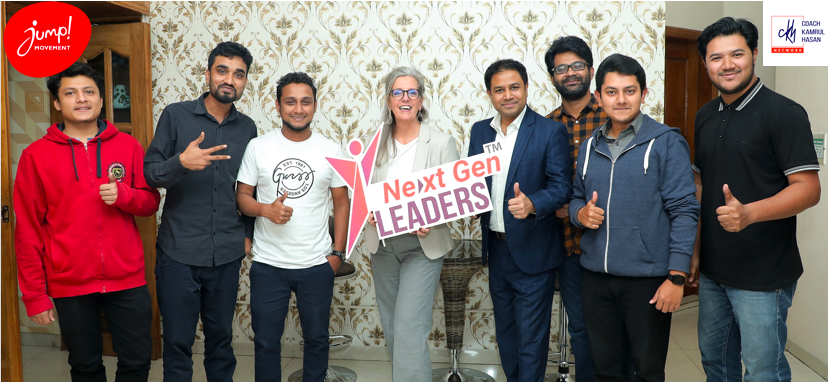 I have learnt that we keep discovering our higher purpose as we live life once we discover the notion of purpose and is conscious of its existence. This had got me in to the habit of reflecting, reviewing, refreshing and re-writing my purpose every month.










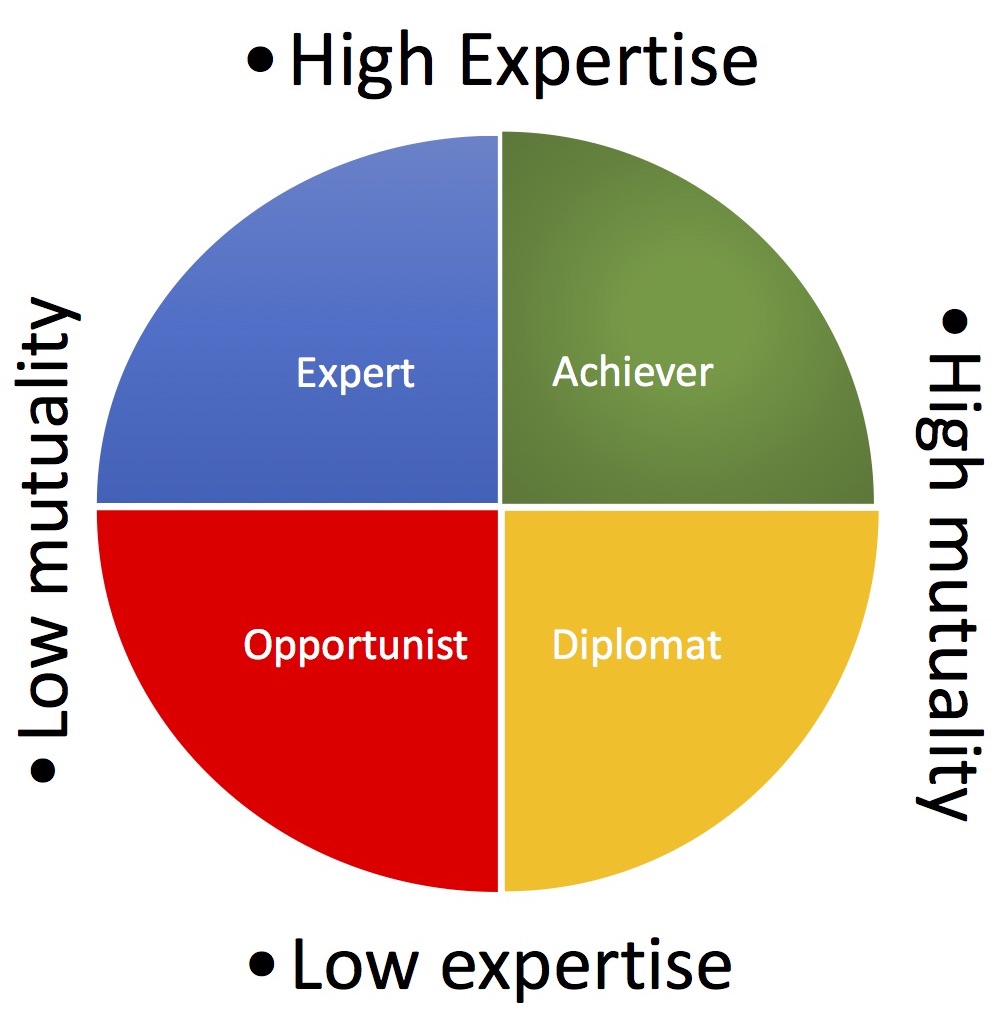


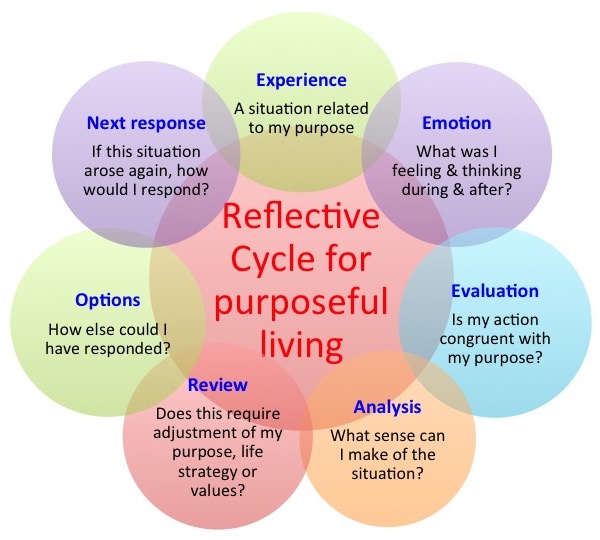

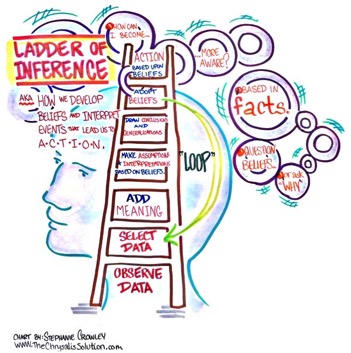 Let me use the words of the ‘Cookie Thief’ poem by Valerie Cox, I recite at trainings and the ‘ladder of inference’ developed by Coghlan & Brannick (2014, p.31) to attempt to figure out why we have misunderstandings. I will interrupt the poem and use the seven steps of the ‘ladder of inference’ model during the interludes in this attempt.

 Have you ever thought about how you know what you know? When this question was first asked from me, the answers that came to my mind was; from books, from parents, from teachers, from the learned. But when confronted with the next question, so do you believe that all that you know was true, I felt yes, it must be true, if not these will not be thought to me by those who I respect as learned, honest and well-meaning. But when I thought deeper, I felt that what is true to them, does not have to be true to me, because they come from different backgrounds, eras, conditions, cultures, religion, and would be driven by different purposes etc. Therefore for us to claim that we know what we know requires a kind of self-validation. John Heron provides a theoretical framework that helps make sense of the way we know. He names it extended epistemology, which has four interwoven ways of knowing (Heron 1992, 1999):
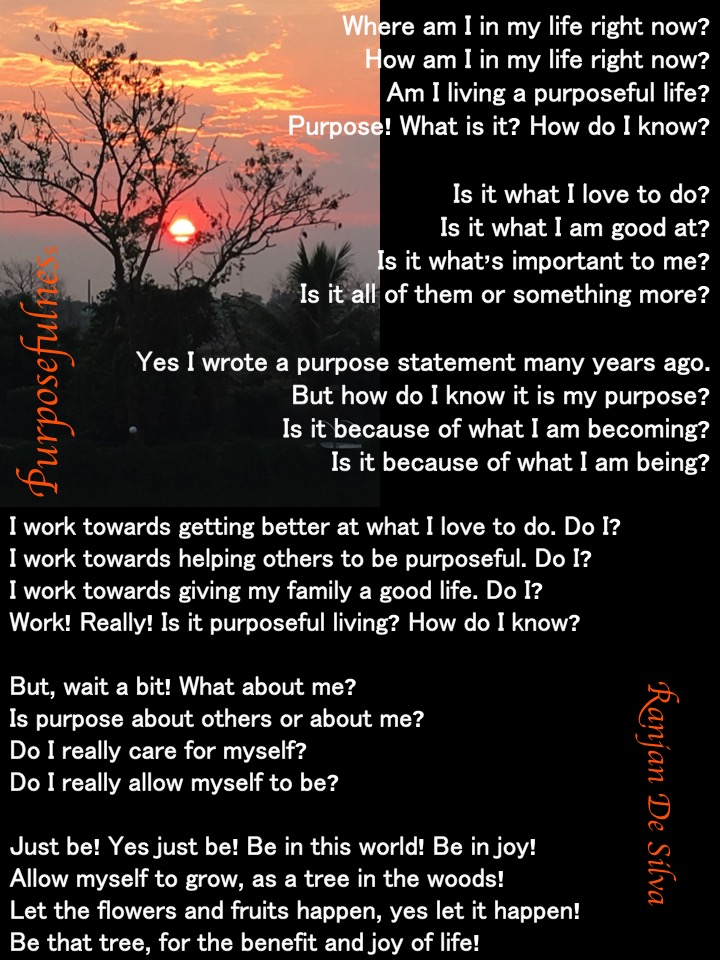


 We are one of seven billion people in this world and each one of us sees the world from our own paradigm. This short blog post will examine the dangers of getting imprisoned in a paradigm and the benefits of becoming a prism as prisons are restricting and prisms are reflecting.




 We may have heard this word tons of times from our childhood. You are wrong! That’s the wrong answer! You have wronged me! that’s the wrong way to do it! I have many times wondered about the meaning of this word. What impact does this word have on our lives? What impact does this word have on our relationships?